
April 05, 2026 – AI Daily Recap


April is shaping up to be the most competitive month in AI history, and we’re only five days in. From OpenAI’s next frontier model completing training to a massive supply-chain breach rattling the entire AI data ecosystem, here’s everything that matters today.
GPT-5.5 “Spud” Completes Pre-Training — Release Imminent
OpenAI’s next major model, codenamed GPT-5.5 “Spud”, has officially completed pre-training as of March 24, with Sam Altman signaling a release within weeks. OpenAI President Greg Brockman called it a “significant change in the way we think about model development,” noting that two years of research are baked into the architecture. Spud is widely expected to close the gaps where GPT-5.4 trails competitors — particularly against Gemini 3.1 Pro, which currently leads 13 of 16 major benchmarks — while extending OpenAI’s commercial lead in GDPval knowledge work categories. Whether it ships under the GPT-5.5 name or something entirely different remains to be seen, but the timing puts it on a direct collision course with Anthropic’s Claude Mythos.
Mercor Breach Exposes AI Training Secrets — Meta Pauses Partnership
Mercor, the $10 billion AI training-data startup that supplies Anthropic, OpenAI, and Meta, confirmed it was hit by a major cyberattack linked to a supply-chain compromise of the LiteLLM open-source library. A hacking group called TeamPCP published two malicious versions of LiteLLM to PyPI on March 27, which remained live for roughly 40 minutes — long enough to exfiltrate 939 GB of platform source code, a 211 GB user database, and three terabytes of storage containing video interviews and identity documents. Meta has suspended its relationship with Mercor, while OpenAI says it is investigating but has not paused current projects. A class action lawsuit has already been filed on behalf of over 40,000 affected individuals.
Claude Mythos Leak Reveals Anthropic’s “Step Change” Model

A misconfigured content management system at Anthropic exposed nearly 3,000 unpublished assets, among them a draft blog post detailing a model called Claude Mythos — internally codenamed “Capybara.” Anthropic confirmed the model exists and called it “a step change” in performance, representing a new tier above the current Opus line. According to leaked benchmarks, Mythos dramatically outperforms Claude Opus 4.6 in software coding, academic reasoning, and cybersecurity tasks. That last category has Anthropic so concerned that the company is reportedly briefing top U.S. officials on the model’s ability to exploit vulnerabilities at scale. Mythos is currently in limited early access with cybersecurity partners, with no public release date announced.
Anthropic Accidentally Leaks Claude Code Source via npm
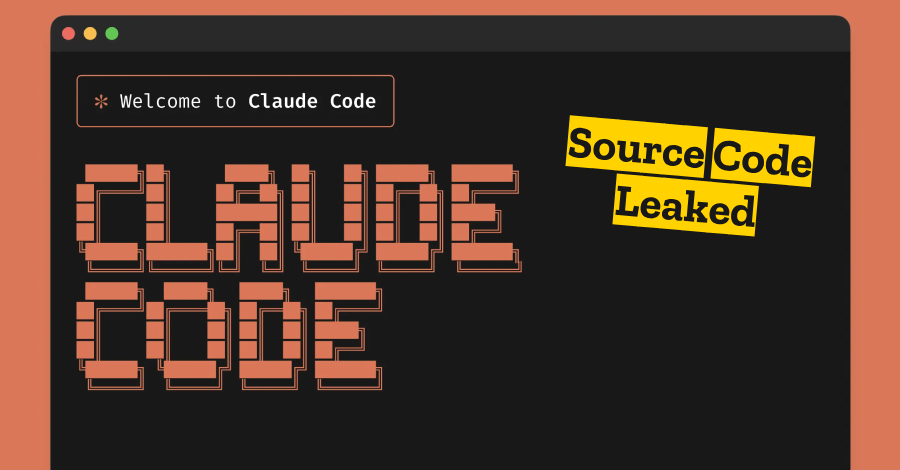
In a separate embarrassment for Anthropic, a misconfigured debug file shipped to npm on March 31 exposed the entire Claude Code source code — 512,000 lines across 1,906 TypeScript files. Security researcher Chaofan Shou broke the news on X, where the thread racked up 16 million views. GitHub repositories appeared within two hours, with the fastest reaching 50,000 stars in under two hours and accumulating over 41,500 forks. The leaked code revealed feature flags for unreleased capabilities including session-review learning, a persistent background assistant, and remote device control. Anthropic called it “a release packaging issue caused by human error” and confirmed no customer data or credentials were exposed.
Macy’s AI Shopping Assistant Drives 400% Spending Increase
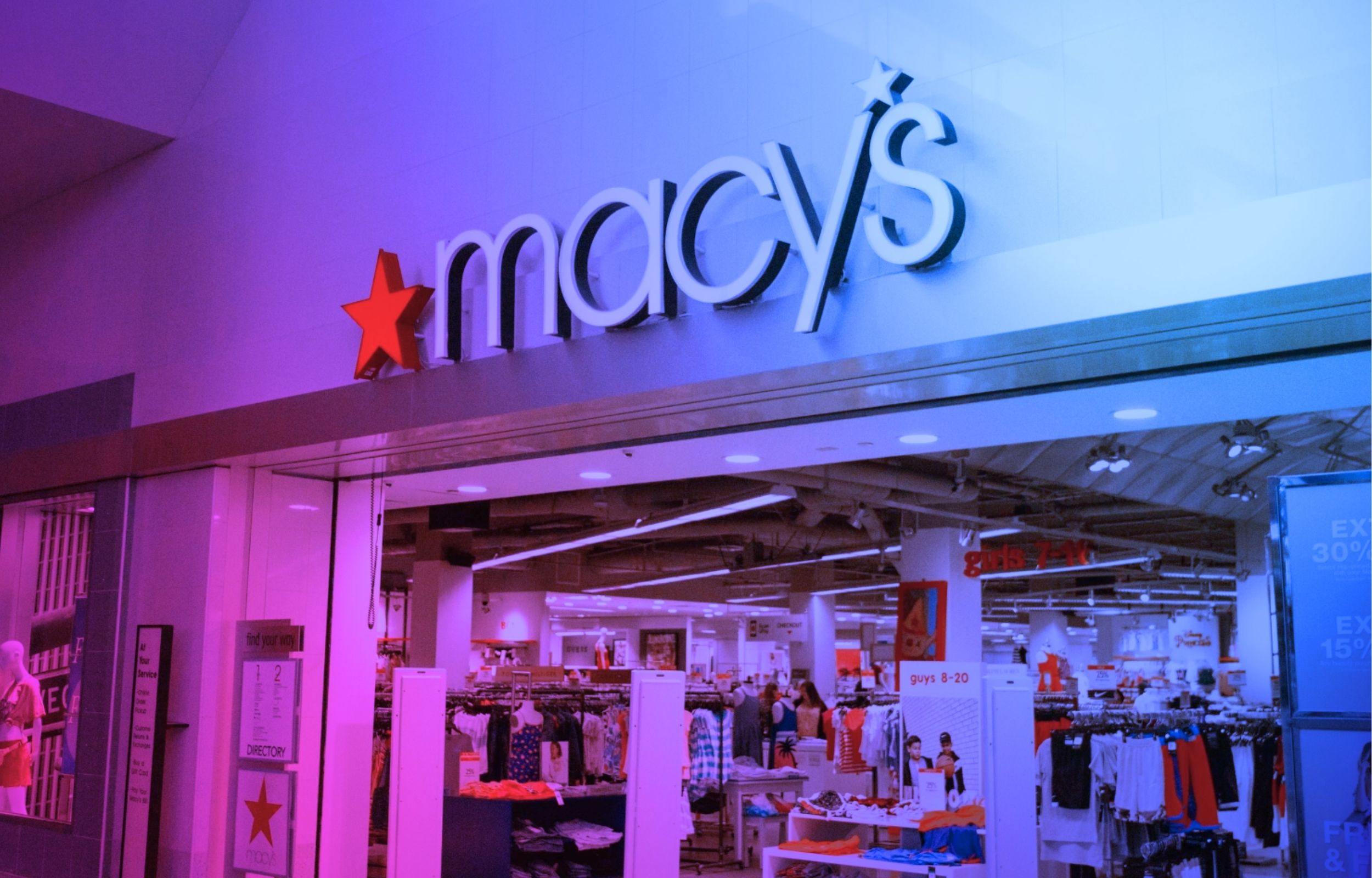
Retail is getting its proof-of-concept moment. Macy’s “Ask Macy’s” chatbot, powered by Google Gemini, launched publicly on March 23 after a quiet internal rollout in December — and early data shows customers who use it spend 4.75 times more per visit than those who don’t. Rather than functioning as a simple search bar, the assistant asks about budget, occasion, and personal style before surfacing curated recommendations with “complete the look” pairings and virtual try-on capabilities. The results land as roughly 40% of the top 20 U.S. retailers have now deployed some form of AI shopping assistant, making conversational commerce one of the first enterprise AI use cases with measurable ROI at scale.
Google Launches Gemini 3.1 Flash-Lite — AI Gets Cheaper
Google rolled out Gemini 3.1 Flash-Lite in preview, its most cost-efficient model yet, priced at just $0.25 per million input tokens and $1.50 per million output tokens — roughly one-eighth the cost of Gemini 3.1 Pro. The model delivers a 2.5x faster time-to-first-token and 45% faster output generation compared to earlier Gemini versions, while scoring an impressive 86.9% on GPQA Diamond and 76.8% on MMMU Pro. Available via the Gemini API in Google AI Studio and Vertex AI, Flash-Lite is aimed squarely at high-volume, cost-sensitive production workloads — the kind of use cases that determine whether AI inference economics can actually work at enterprise scale.
The Big Picture
April 2026 is being called the most consequential month in AI model history, and five days in, it’s hard to argue. Two of the most anticipated frontier models ever — GPT-5.5 and Claude Mythos — are expected to drop in the same window, while the Mercor breach has thrown a spotlight on just how fragile the data supply chain underpinning the entire industry really is. Meanwhile, Google is winning the efficiency race at the bottom of the cost curve, and Macy’s is providing the clearest proof yet that conversational AI can move real revenue at retail scale. The frontier is getting faster, cheaper, and messier — all at the same time.
Sources
- GPT-5.5 Review (Spud) 2026 — PrimeAICenter
- AI Models in April 2026: Every Major Release — RenovateQR
- DeepSeek V4, GPT-5.5, Grok 5: Q2 2026 AI Preview — DigitalApplied
- Mercor Confirms Major Cybersecurity Breach — Fortune
- Mercor Hit by LiteLLM Supply Chain Attack — TechCrunch
- Meta Suspends Work With Mercor — Cybernews
- Anthropic Mythos AI Model Revealed — Fortune
- What Is Claude Mythos? — WaveSpeedAI
- Claude Mythos Cybersecurity Risks — Geeky Gadgets
- Claude Code Leaked via npm — The Hacker News
- The Great Claude Code Leak of 2026 — DEV Community
- Macy’s AI Shopping Assistant — Fortune
- Macy’s Debuts New AI Tool — Entrepreneur
- Gemini 3.1 Flash Lite — Google Blog
- Gemini 3.1 Flash-Lite at 1/8th the Cost — VentureBeat




Responses