
May 26, 2026 – AI Daily Recap

Monday was a remarkable day in AI, with stories spanning faith and technology, record-breaking revenue, sweeping product launches, courtroom drama, and the largest utility merger in U.S. history. Here is everything that mattered.
Pope Leo XIV Releases First AI Encyclical, Anthropic Co-Founder Speaks at Vatican
In what may be the most symbolically significant moment at the intersection of AI and society this year, Pope Leo XIV released his first encyclical, titled Magnifica Humanitas (“Magnificent Humanity”), focused on safeguarding human dignity in the age of artificial intelligence. The document was signed exactly 135 years after Pope Leo XIII’s Rerum Novarum, the landmark Catholic teaching on workers’ rights during the Industrial Revolution. Anthropic co-founder Chris Olah spoke at the Vatican presentation, calling on the Church and civil society to serve as “informed critics” of AI labs. Olah highlighted three urgent questions: duties to the global poor as AI displaces labor, moral imagination around human flourishing, and ongoing discernment about the mysterious internal states researchers keep discovering inside AI models. The Washington Post noted the unusual alignment between Anthropic and the Vatican at a moment when the White House has pulled back from AI regulation.
Anthropic on Track for First Profitable Quarter, Eyes $900B+ Valuation
Anthropic is projecting $10.9 billion in Q2 2026 revenue, more than doubling the $4.8 billion it generated in Q1, and is on pace for its first-ever operating profit of $559 million. CEO Dario Amodei has described the company’s trajectory as “80x annualized growth,” a figure that has caught the attention of investors worldwide. The Claude maker is now in early talks to raise at least $30 billion at a pre-money valuation exceeding $900 billion, with shares already trading at an implied $1 trillion valuation on secondary markets. The round would be co-led by Sequoia, Dragoneer, Greenoaks, and Altimeter. Combined with Monday’s Vatican engagement, Anthropic is staking out a position as a company that wants to be both the most commercially successful and the most safety-conscious player in the field.
Google I/O 2026: Gemini Omni, 3.5 Flash, and the Agentic Era
Google’s I/O 2026 keynote was one of the company’s most product-dense events in years, headlined by two new models: Gemini Omni, which can create anything from any input starting with video, and Gemini 3.5 Flash, a frontier-intelligence model built for agentic workflows at 4x the speed of comparable models. Google also launched Gemini Spark, a personal AI agent, alongside Universal Cart for AI-powered shopping, Ask YouTube, Gmail Live, Docs Live, Google Pics, and Android XR intelligent eyewear arriving this fall. On pricing, AI Ultra dropped from $250 to $100/month, and Google replaced daily prompt limits with a compute-based model that refreshes every five hours. The company also revealed it now processes over three trillion tokens per day, up from half a trillion in March. Search is entering the era of AI agents, with information agents that operate 24/7, and AI Mode is expanding to nearly 200 countries across 98 languages.
Jury Unanimously Rejects Musk’s Lawsuit Against OpenAI
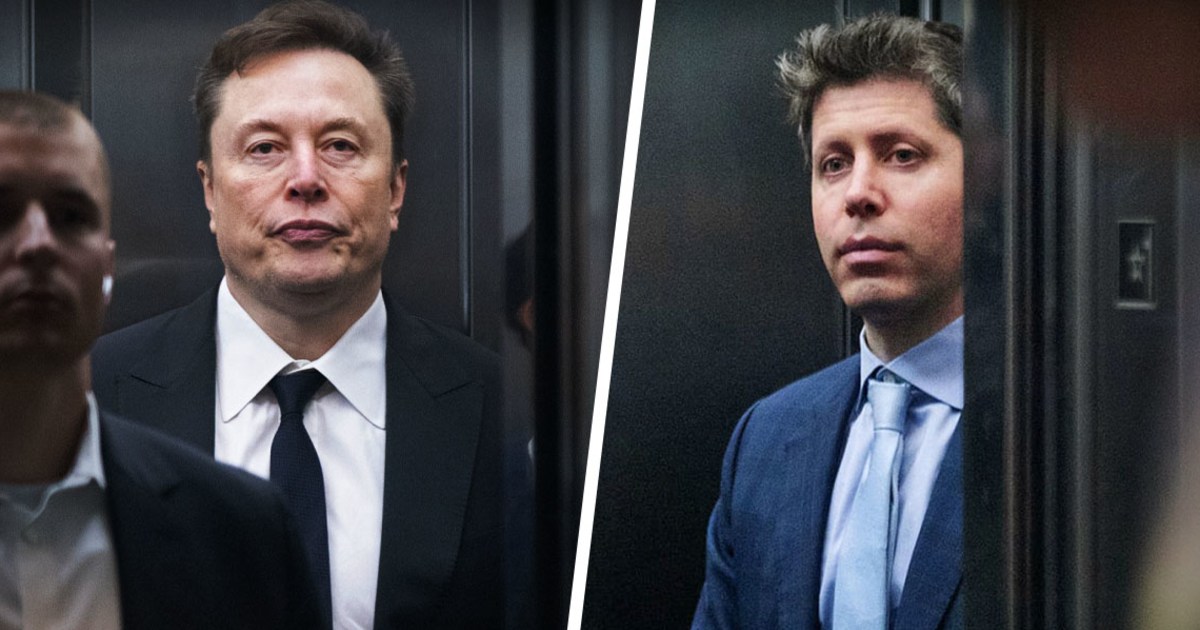
A California federal jury needed less than two hours to unanimously dismiss all claims in Elon Musk’s lawsuit against OpenAI, CEO Sam Altman, and co-founder Greg Brockman. The nine-member jury found that Musk waited too long to file, exceeding the statute of limitations. Judge Yvonne Gonzalez Rogers accepted the jury’s findings. The lawsuit, filed in 2024, had alleged that Altman unlawfully enriched himself by converting OpenAI from a nonprofit to a for-profit venture now valued at $852 billion. Musk vowed to appeal on X, calling the verdict a “calendar technicality,” while OpenAI’s legal team celebrated. The jury also rejected Musk’s claim that Microsoft aided and abetted the alleged breach. The verdict preserves the status quo for OpenAI as it prepares to file a confidential S-1 with the SEC.
NextEra-Dominion $67B Merger Signals AI Power Supercycle
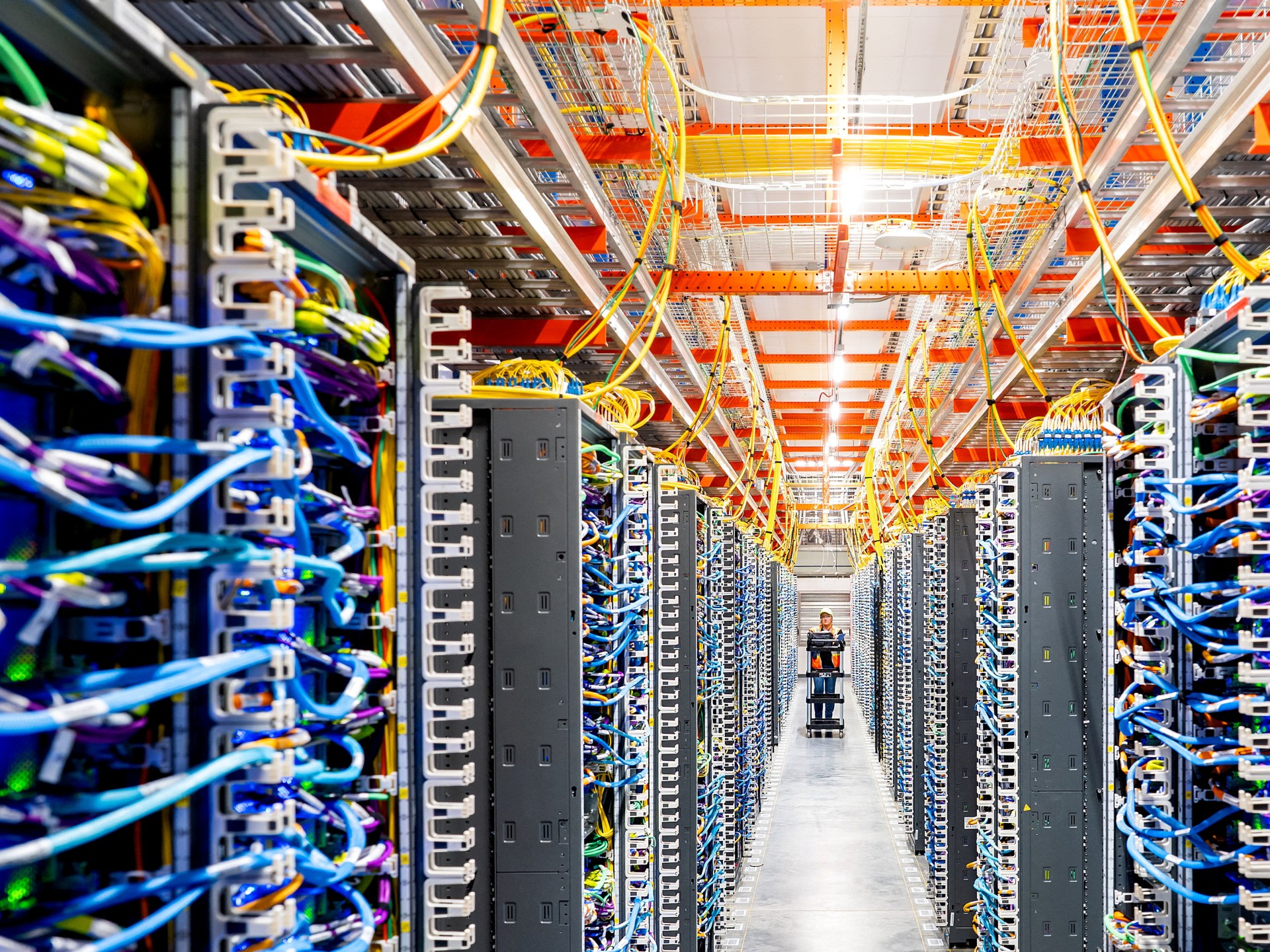
NextEra Energy announced an all-stock acquisition of Dominion Energy valued at approximately $67 billion, creating the world’s largest regulated electric utility by market capitalization. The combined entity will serve roughly 10 million customer accounts across Florida, Virginia, and the Carolinas—a region that includes the world’s biggest data center hub in Virginia. Together, the two companies have about 130 gigawatts of data center electricity demand in their pipeline. The deal is the latest in a wave of utility consolidation driven by AI’s voracious appetite for power, following AES Corp’s $33.4 billion acquisition and Constellation Energy’s $16 billion Calpine deal. CEO John Ketchum emphasized that “scale matters more than ever” as utilities race to build infrastructure for a generation-defining technology shift.
AI Can Now Beat Humans on Creativity Tests, Major Study Finds
A sweeping new study comparing more than 100,000 people with today’s most advanced AI systems has delivered a surprising result: generative AI can now beat the average human on certain creativity tests. The research evaluated AI outputs across multiple dimensions of creative thinking, including originality and elaboration. While the findings don’t settle the broader debate about whether machines can truly be “creative,” they mark a meaningful threshold and raise fresh questions about AI’s role in creative industries, education, and intellectual work. The study adds empirical weight to a conversation that has so far been driven more by anecdote than data.
The Big Picture
Today’s headlines tell a story about AI maturing on every axis simultaneously. The Vatican’s encyclical and Anthropic’s Vatican appearance signal that the ethical conversation around AI is no longer theoretical—it’s institutional. Anthropic’s revenue trajectory and OpenAI’s S-1 preparations confirm that the commercial stakes are now measured in the hundreds of billions. Google’s I/O blitz shows the product race accelerating into agents, multimodal creation, and global scale. The Musk-OpenAI verdict closes one chapter of legal drama but opens the door to appeals. And the NextEra-Dominion merger is a physical reminder that the AI revolution doesn’t run on software alone—it runs on electrons, and the infrastructure to deliver them is being reorganized at historic scale. We are watching an industry leave adolescence behind.
Sources
- Anthropic co-founder Chris Olah’s remarks on Pope Leo XIV’s encyclical – Anthropic
- Pope Leo XIV’s first encyclical Magnifica Humanitas – Vatican News
- Anthropic aligns with Vatican over White House – The Washington Post
- Anthropic set to hit $10.9 billion in revenue during second quarter – CNBC
- Anthropic says it hit a $30 billion revenue run rate – VentureBeat
- Google I/O 2026: News and announcements – Google Blog
- I/O 2026: Welcome to the agentic Gemini era – Google Blog
- Jury throws out Elon Musk’s lawsuit against OpenAI – NBC News
- Musk slams Altman trial verdict as a ‘technicality’ – CNBC
- NextEra, Dominion to create huge power biz as AI drives US energy demand – Al Jazeera
- NextEra will buy Dominion in a $66.8 billion power deal – NBC News
- AI News Today – May 25, 2026 – Build Fast with AI

Responses