May 30, 2026 – AI Daily Recap

Friday’s AI news cycle delivered a fresh Anthropic model release, a stunning cybersecurity progress report, a dramatic pricing move from DeepSeek, and a wave of AI legislation crossing a critical deadline in California. Here is everything that matters.
Anthropic Ships Opus 4.8 with Dynamic Workflows
Anthropic released Opus 4.8 on May 28, just 41 days after the previous Opus revision. The rapid upgrade cycle reflects competitive pressure from Google’s Gemini 3.5 Flash and OpenAI’s expanding Codex platform. Beyond the usual benchmark gains, Anthropic highlights the model’s improved ability to flag uncertainties and avoid unsupported claims during analysis.
The headline feature is Dynamic Workflows, a new tool in research preview that lets Opus orchestrate complex tasks across hundreds of parallel subagents. Anthropic says Claude Code paired with Opus 4.8 can now handle codebase-scale migrations across hundreds of thousands of lines of code from kickoff to merge. The company also hinted that its more powerful Mythos model may soon move beyond the current limited preview.
Project Glasswing: 10,000 Vulnerabilities and Counting
Anthropic published an initial update on Project Glasswing, the collaborative cybersecurity effort using Claude Mythos Preview to find vulnerabilities in critical software. The numbers are striking: more than 10,000 high- or critical-severity vulnerabilities found across approximately 50 partner organizations and over 1,000 open-source projects in the program’s first month.
Among the highlights, Cloudflare reported finding 2,000 bugs (400 at high or critical severity) in its critical-path systems, and Mozilla found and fixed 271 vulnerabilities in Firefox 150, more than ten times what the previous model generation uncovered. The UK’s AI Security Institute confirmed that Mythos Preview is the first model to solve both of their end-to-end cyber range simulations. Anthropic acknowledges that the bottleneck has shifted from finding vulnerabilities to the human capacity to triage, disclose, and patch them at scale.
DeepSeek Slashes V4-Pro Prices by 75 Percent
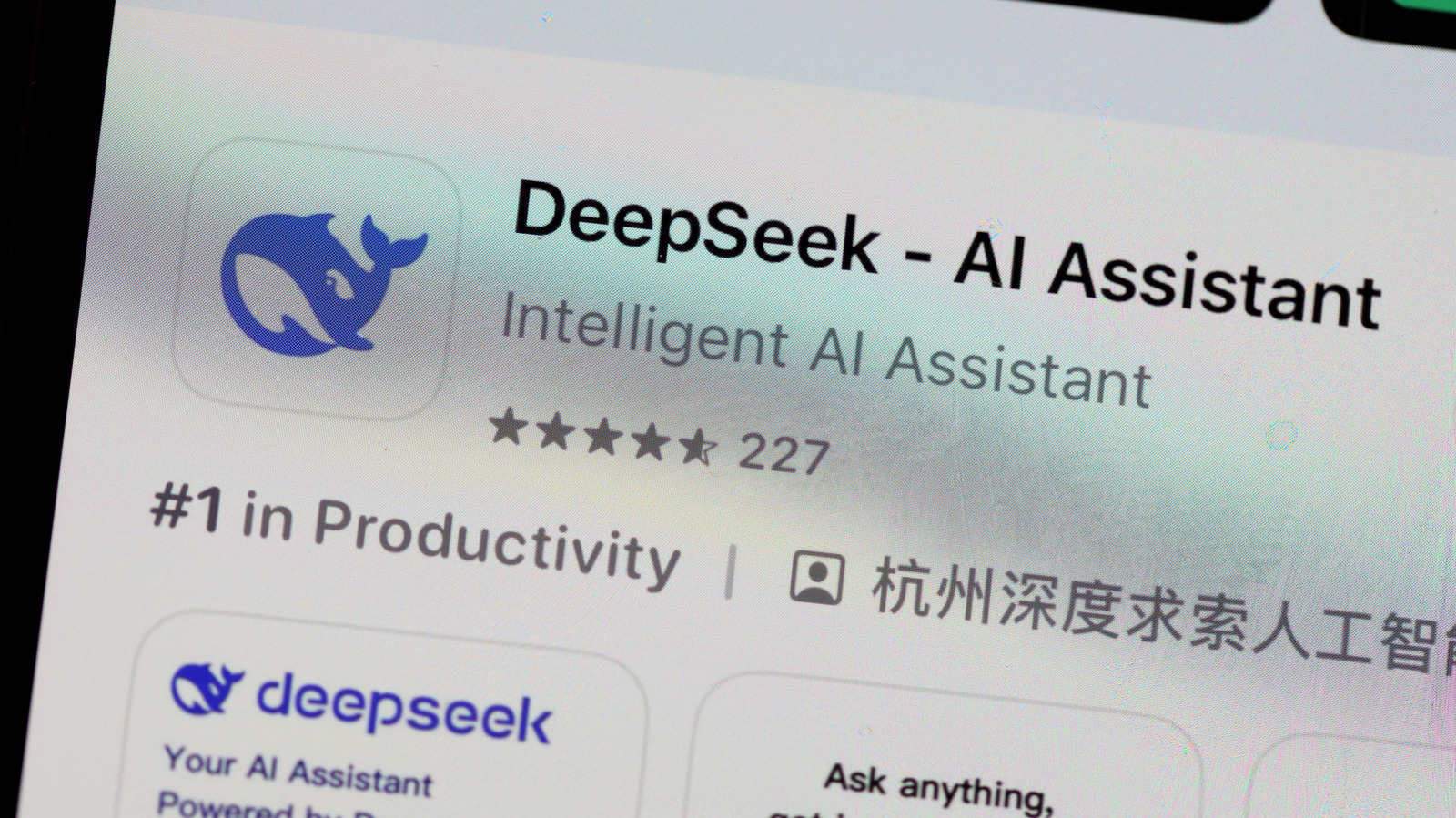
Chinese AI startup DeepSeek made permanent the 75 percent discount on its flagship V4 Pro model that was originally set to expire May 31. Prices now range from $0.003625 to $0.87 per million tokens, a fraction of what comparable models from OpenAI and Google charge. The move comes roughly a month after DeepSeek launched its V4 model family, which the company says ushers in cost-effective million-token context windows.
The aggressive pricing puts additional pressure on Western AI labs, particularly as DeepSeek continues to draw scrutiny over alleged distillation practices that Anthropic has publicly criticized. For enterprise users processing millions of tokens daily, the savings could be substantial.
California AI Bills Clear Crossover Deadline

Nearly all 30 AI-related bills in the California legislature cleared the crossover deadline this week, passing their chamber of origin and moving to the opposite house for further consideration. The Transparency Coalition’s weekly roundup notes that Louisiana is also wrapping its session with three AI bills sent to the governor, and Illinois has nine AI bills still racing toward passage before a Sunday adjournment.
The breadth of legislation reflects how rapidly state lawmakers are moving to regulate AI even as Congress remains largely stalled on comprehensive federal rules. Topics range from deepfake disclosures and algorithmic hiring transparency to AI safety requirements for high-risk systems.
Microsoft Build 2026: Windows Becomes an AI Agent Platform
Microsoft Build 2026 lands June 2–3 at Fort Mason Center in San Francisco, with AI agents as the central theme. The conference will debut the Windows Agent Runtime, a new system that treats agents as native OS constructs capable of interacting directly with Windows subsystems like the file manager, task scheduler, and hardware sensors.
Satya Nadella will deliver the keynote alongside GitHub COO Kyle Daigle, signaling major GitHub Copilot announcements. Other expected reveals include WSL 3 with NPU passthrough, multi-model support in Copilot Studio (including Anthropic models alongside OpenAI), and Visual Studio 2026’s Agent Designer for building declarative YAML-based agent manifests.
SpaceX IPO Looms as $60B Cursor Acquisition Option Surfaces

With SpaceX’s IPO roadshow kicking off June 4 and trading set to begin June 12 on the Nasdaq, one of the most notable pre-IPO revelations is SpaceX’s option to acquire AI coding startup Cursor for $60 billion. The deal pairs Cursor’s developer user base with SpaceX’s Colossus supercomputer for training next-generation coding AI models.
Cursor’s valuation trajectory has been remarkable, climbing from $2.5 billion in January 2025 to $29.3 billion by its November Series D and now a potential $60 billion exit. The partnership also underscores the growing entanglement between Elon Musk’s companies, as xAI is already renting compute to Cursor and recently hired two of Cursor’s senior engineering leaders. SpaceX’s IPO includes an unprecedented 30 percent retail allocation, making it one of the most accessible large-cap debuts in years.
Sources
- TechCrunch: Anthropic releases Opus 4.8 with new dynamic workflow tool
- Anthropic: Project Glasswing – An initial update
- Cloudflare: Cyber frontier models
- Mozilla Hacks: Behind the scenes hardening Firefox
- Engadget: DeepSeek permanently reduces V4 price by 75 percent
- Transparency Coalition: AI Legislative Update – May 29, 2026
- ChatForest: Microsoft Build 2026 Preview
- Windows Forum: Microsoft Build 2026 – Windows becomes the platform for AI agents
- TechCrunch: SpaceX is working with Cursor and has an option to buy the startup for $60B


Responses