
Cinematic Sovereignty with the Sora 2 Public Rollout

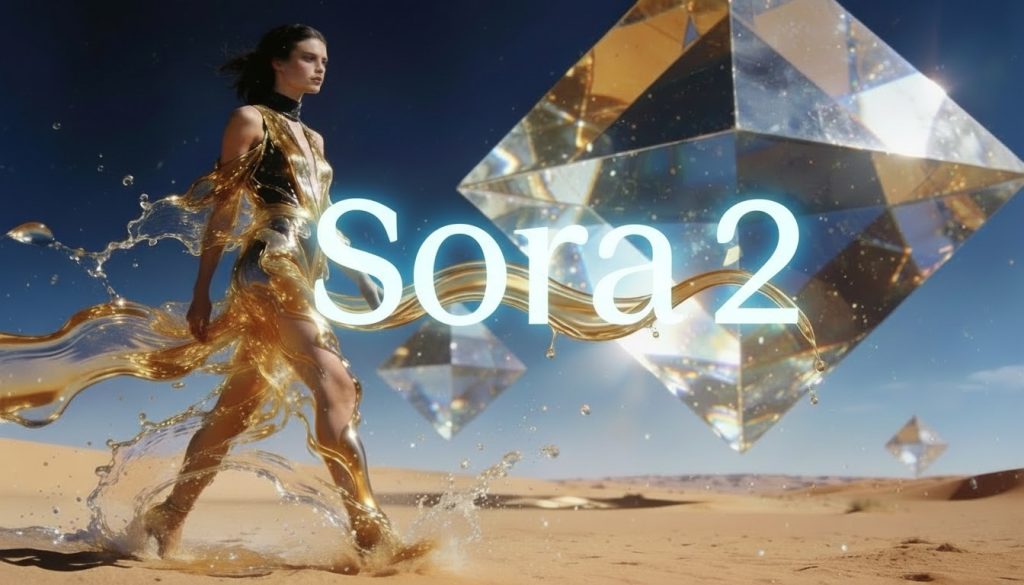
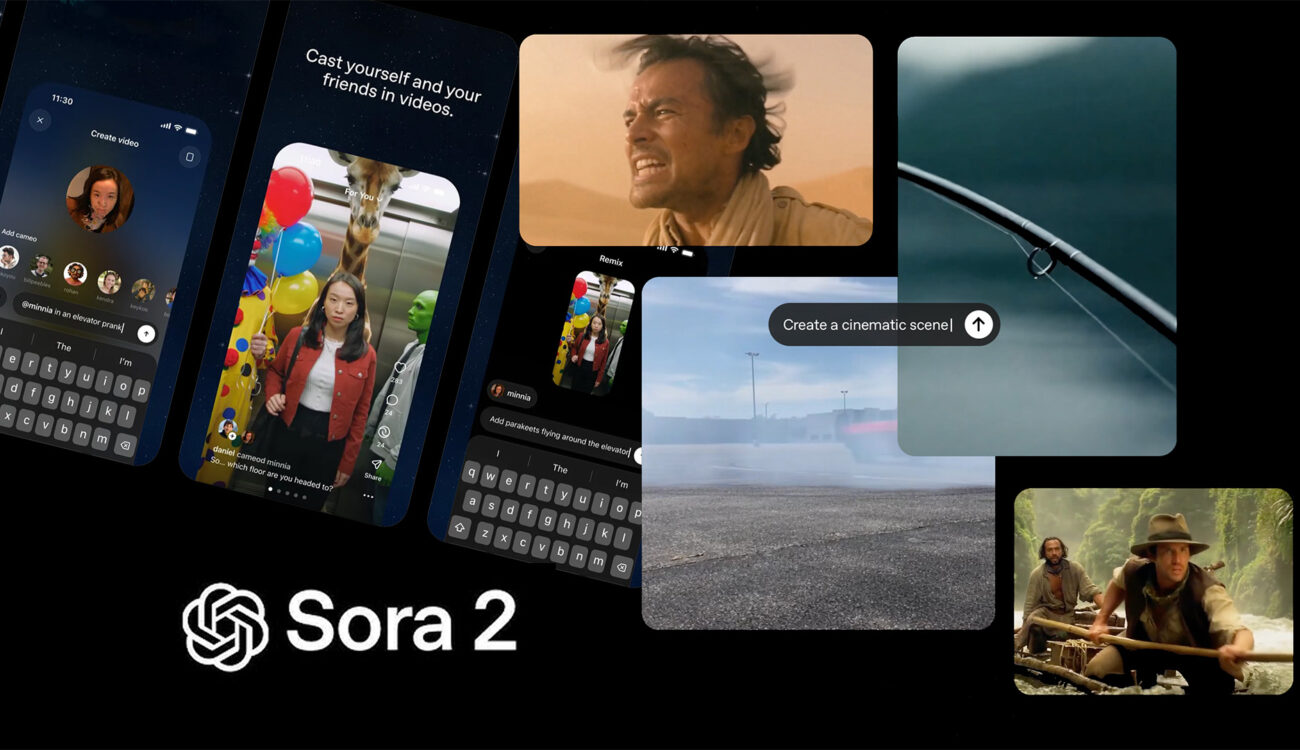
High-end filmmaking just lost its gatekeepers. The narrative has shifted to Sora 2 moving from a closed research preview to a full-scale public launch. The conversation is no longer about whether AI can simulate reality, but how creators are using the new Cameo feature to insert their own likeness and voice into high-fidelity cinematic worlds.
A Multiplayer Approach to Video
OpenAI is reimagining the social feed as a collaborative workspace through its new Remix Engine. Instead of passive scrolling, users can now fork a generated scene—a sci-fi cityscape or a surreal dreamscape—and instantly swap characters or lighting to match their personal intent. This collaborative architecture transforms video from a finished product into a living, “vibe-centric” template that the entire community can evolve.
Precision via Physical AI
The “AI slop” of the past year has been replaced by a model that finally respects the laws of physics. By mastering fluid dynamics and light refraction, Sora 2 produces footage that behaves according to real-world gravity and momentum. This reflects the broader trend of Physical AI showcased at major events like CES, where these models are utilized to train the next wave of humanoid robotics in virtual simulations.
The Creator as Director
We are witnessing a fundamental pivot from “prompting” to Aesthetic Directing. With Sora 2’s new granular controls, creators are no longer just asking for a video; they are managing camera angles, focal lengths, and color grades in real-time as the model generates. The technical debt of learning complex editing software is being replaced by a singular focus on taste and narrative vision, allowing the most authentic “vibes” to reach the screen without friction.





Responses