The AI Image Generator Showdown: Which One Leads in 2025’s Vibe Coding Scene?
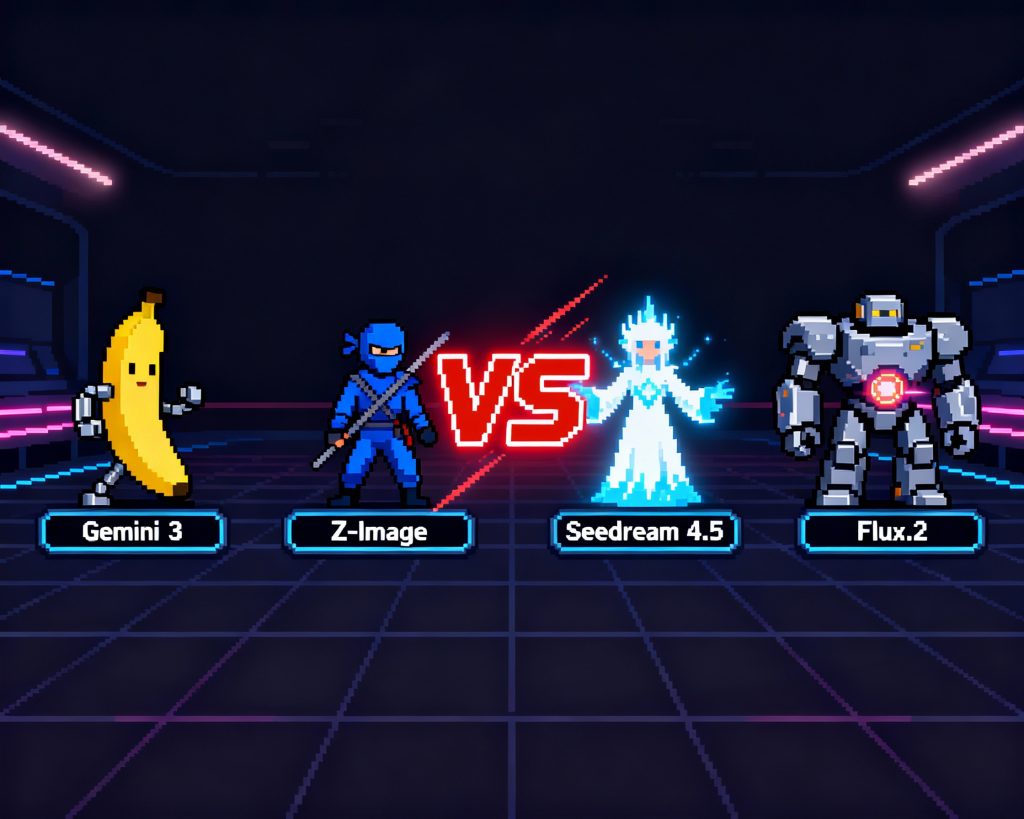
Many new AI image generators have come out recently, and choosing the best one depends mainly on your creative setup and what you want to produce. All the top tools are professional-grade, so focus less on swapping between them and more on crafting strong ideas, clear prompts, and smooth image composition. From recent tests with vibe coding (creative workflows using AI), here’s how the top tools rank and what makes each stand out in late 2025.
Gemini 3
This is the daily favorite for many creators. It handles complex scenes well, keeping details consistent through multiple edits and produces sharp 4K photorealistic images quickly—under 10 seconds. It’s great at understanding text in images and keeping scenes logical. Gemini 3 is reliable on tricky details like hands and faces, making it perfect for clients and polished projects.
Z-Image
Built to run fast even on regular consumer computers, Z-Image is lightweight and can generate images in under 2 seconds on mid-level GPUs. It’s open source, popular for real-time previews, avatars, and projects with limited video memory. It recently improved its ability to keep multiple subjects coherent in the same image, making it a go-to for fast iterations and low-cost runs.
Seedream 4.5
This one excels at blending different style and lighting references to create cinematic or commercial visuals at native 4K. It handles complex edits seamlessly but needs precise lighting prompts to avoid flatness in dynamic scenes. Seedream 4.5 offers good spatial depth and is favored for production workflows where consistency matters more than speed. It’s also budget-friendly compared to cloud giants.
Flux.2
A bigger, physics-based model known for its detailed realism. It handles tricky parts like hands, fabric, and natural light falloff better than many competitors. While slower and more demanding on consumer hardware, its high detail level is worth it for final, polished images or product mockups. Its open models also allow customization to fit brand styles precisely.
These tools are very close in performance, so your choice should depend on your hardware, workflow, and how much effort you want to spend crafting prompts. Gemini 3 leads in reasoning and complex prompts, Z-Image is the fastest for quick tests, Seedream blends styles like a pro, and Flux.2 polishes images to perfection.
Which one is in your creative toolkit right now?



Responses