
March 28, 2026 – AI Daily Recap

From a record-breaking $40 billion loan fueling the AI arms race to a leaked model that has the cybersecurity world on edge, today’s headlines show just how fast the stakes are rising across every corner of artificial intelligence.
SoftBank Secures $40 Billion Loan to Supercharge OpenAI Investment
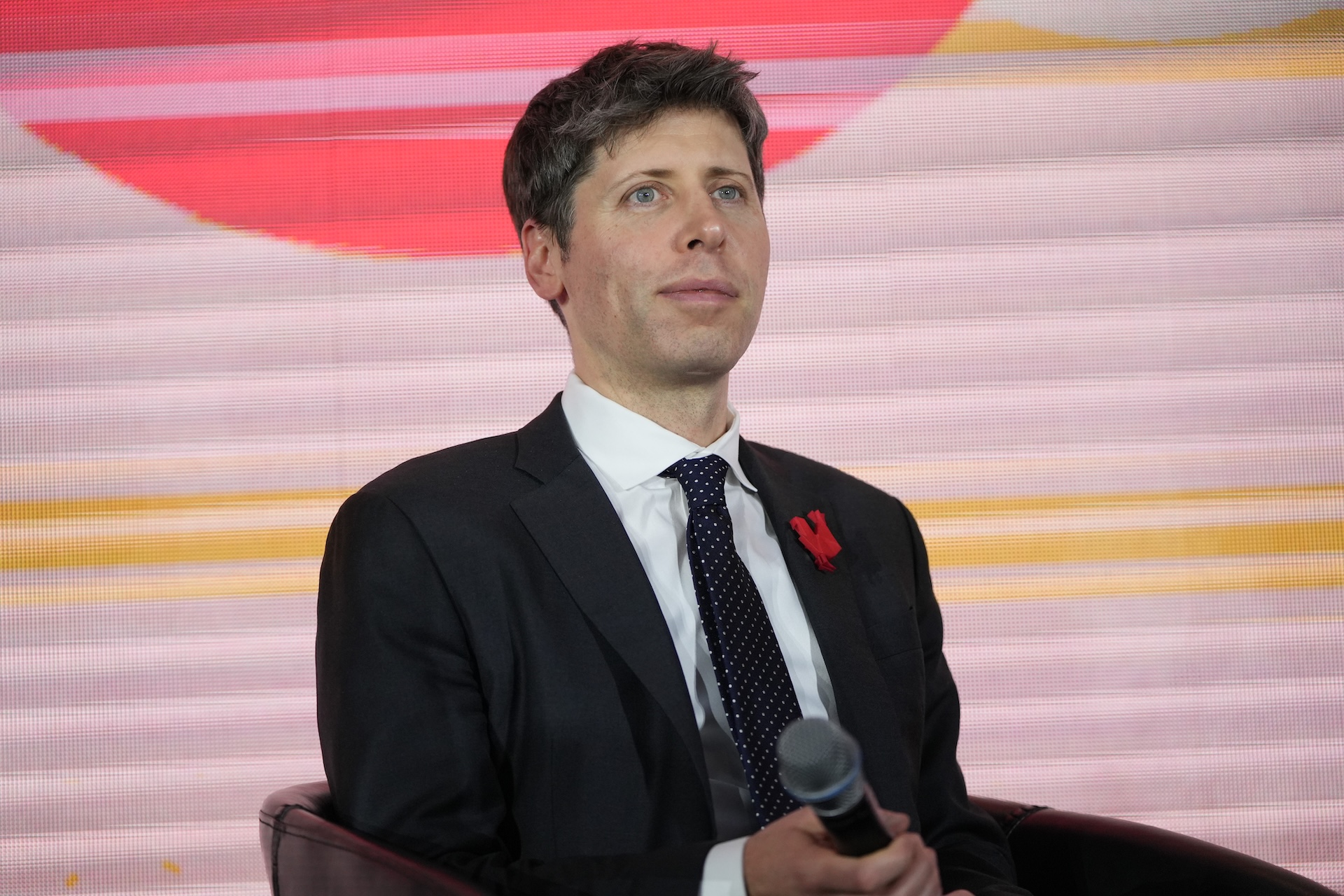
SoftBank has locked in a staggering $40 billion unsecured bridge loan from a consortium of major banks including JPMorgan Chase, Goldman Sachs, Mizuho, Sumitomo Mitsui, and MUFG. The loan, maturing in March 2027, is designed to fund the Japanese conglomerate’s planned $30 billion investment in OpenAI through its Vision Fund 2. The sheer scale of the financing underscores just how capital-intensive the frontier AI race has become, with analysts at TechCrunch noting the move may also be laying the groundwork for a potential OpenAI IPO later this year. SoftBank and OpenAI are already partners in the Stargate Project, which aims to invest up to $500 billion over four years in U.S. AI infrastructure.
Anthropic’s Secret “Mythos” Model Revealed in Data Leak
A configuration error in Anthropic’s content management system has inadvertently exposed details of a powerful new AI model the company had been developing in secret. According to Fortune’s exclusive reporting, a draft blog post found in a publicly accessible data cache described “Claude Mythos” as representing a “step change” in capabilities, with dramatically higher scores on coding, academic reasoning, and cybersecurity benchmarks compared to Claude Opus 4.6. Perhaps most alarming, the company’s own draft materials acknowledged that Mythos poses “unprecedented cybersecurity risks” — a detail that has drawn attention from both security researchers and the Pentagon alike. The leak also revealed an internal codename “Capybara” and details of a planned invite-only CEO summit in Europe as part of Anthropic’s enterprise sales push.
Apple to Open Siri to Rival AI Assistants in iOS 27

Apple is planning a major shift in its AI strategy. According to Bloomberg, the company will allow competing AI services like Google’s Gemini and Anthropic’s Claude to integrate directly with Siri in iOS 27, iPadOS 27, and macOS 27, ending ChatGPT’s current exclusive role in Apple Intelligence. Users will be able to select their preferred AI service through a new “Extensions” option in the Apple Intelligence and Siri settings. The move effectively transforms the iPhone from a walled AI garden into a multi-model orchestration platform. Apple is expected to announce the feature at its WWDC 2026 keynote on June 8.
Google’s TurboQuant Shakes Up the Memory Chip Industry
Google has unveiled TurboQuant, a new compression algorithm that reduces the memory required to run large language models by a factor of six — compressing the key-value cache to just 3 bits per value, down from the standard 16, with no measurable accuracy loss. The announcement, set to be formally presented at ICLR 2026, sent shockwaves through the semiconductor sector. SK Hynix and Samsung fell 6% and nearly 5% respectively, while Kioxia dropped nearly 6% and Micron also declined as investors recalculated demand projections. The internet has already nicknamed it “the Pied Piper algorithm,” a nod to the fictional compression technology from HBO’s Silicon Valley. Analysts caution, however, that software optimizations have historically not fundamentally altered hardware procurement volumes.
OpenAI Shuts Down the Sora App
OpenAI is pulling the plug on its Sora mobile application, the social platform for creating and sharing AI-generated videos that launched in October 2025. Despite the underlying Sora 2 model earning praise for its video and audio capabilities, the app itself failed to generate sustained user engagement in a crowded social media landscape. The shutdown follows OpenAI’s earlier, quieter decision to wind down the Sora public API over unsustainable inference costs. In parallel, OpenAI is also discontinuing its “Instant Checkout” shopping feature within ChatGPT after insufficient adoption, signaling a strategic refocusing on core AI capabilities rather than platform plays in retail and social media.
Judge Questions Pentagon’s Ban on Anthropic’s Claude
The legal battle between Anthropic and the Department of Defense escalated this week, with a federal judge in San Francisco expressing skepticism that the Pentagon’s supply chain risk designation against Anthropic “looks like punishment.” Anthropic claims the designation came after the company demanded the DOD refrain from using Claude for autonomous weapons systems or mass surveillance programs. The DOD has countered with concerns about potential “system sabotage,” though the judge indicated a ruling on a preliminary injunction would come shortly. Meanwhile, despite Anthropic winning a ruling in California, it must still convince the DC Circuit Court of Appeals to fully lift the designation.
Nvidia CEO Declares AGI Has Arrived
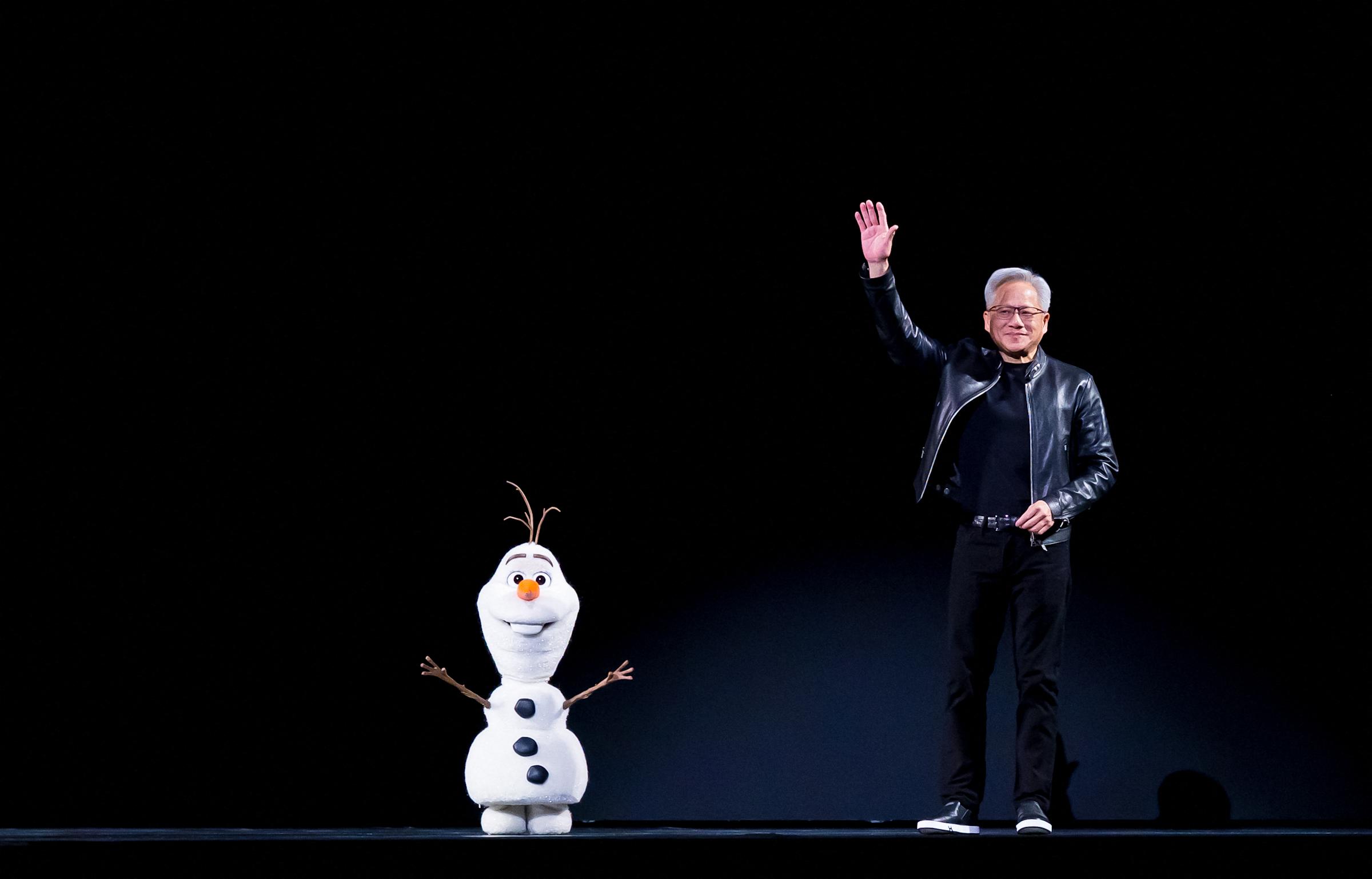
Nvidia CEO Jensen Huang made waves ahead of the company’s GTC developer conference by declaring that artificial general intelligence is no longer a future prospect but a present reality. In a blog post, Huang framed advanced AI as foundational economic infrastructure capable of generating billion-dollar enterprises, positioning Nvidia’s hardware as the backbone of this new economy. The claim remains deeply controversial in AI research communities, where definitions of AGI and its measurement benchmarks are still hotly debated. Nevertheless, the statement aligns with Nvidia’s commercial interests as it continues to dominate the GPU market powering the latest wave of frontier models.
The Big Picture
Today’s headlines paint a picture of an AI industry accelerating on every front simultaneously. The financial infrastructure is scaling to match — SoftBank’s $40 billion war chest is the kind of number that would have seemed absurd even a year ago. Meanwhile, the leaked Mythos model and Google’s TurboQuant reveal that technical capabilities are advancing faster than companies can publicly announce them. Apple’s decision to turn Siri into a multi-model platform, combined with OpenAI’s retreat from consumer social features, suggests the industry is converging on a clearer division of labor: some companies build the models, others build the distribution. And as the Anthropic-Pentagon standoff shows, the question of who controls these increasingly powerful systems — and what they’re allowed to do — is moving from boardrooms into courtrooms.
Sources
- TechCrunch — Why SoftBank’s New $40B Loan Points to a 2026 OpenAI IPO
- U.S. News — SoftBank Secures $40 Billion Loan to Boost OpenAI Investments
- Fortune — Anthropic’s Secret Mythos Model Revealed in Data Leak
- Fortune — Anthropic Leaked AI Mythos Poses Cybersecurity Risk
- Bloomberg — Apple Plans to Open Up Siri to Rival AI Assistants in iOS 27
- MacRumors — Apple iOS 27 Siri Chatbot Integration
- Google Research — TurboQuant: Redefining AI Efficiency
- TechCrunch — Google TurboQuant AI Memory Compression
- Tom’s Hardware — Google’s TurboQuant Compresses LLM KV Caches
- TechCrunch — OpenAI’s Sora App Is Shutting Down
- NPR — Judge Says Pentagon’s Ban on Anthropic’s Claude Looks Like Punishment
- Yahoo Finance — Nvidia CEO Jensen Huang Claims AGI Has Been Achieved



Responses