May 18, 2026 – AI Daily Recap

The AI world is barreling into one of its most consequential weeks of the year. With Google I/O kicking off tomorrow, Meta preparing massive layoffs alongside record-setting AI infrastructure spending, and Anthropic reshaping cybersecurity with its unreleased frontier model, the stories converging right now reveal the full spectrum of what this industry is becoming—from trillion-dollar bets to thousands of lost jobs.
Google I/O 2026 Kicks Off Tomorrow With Major Gemini Upgrades Expected

Google’s annual developer conference kicks off May 19 with a keynote at 10 AM PT, and expectations are sky-high. The centerpiece is expected to be a major Gemini model update—whether it arrives as Gemini 4.0 or an incremental bump, it is rumored to include a unified native multimodal architecture handling images, text, audio, video, and code within a single prompt. The model is reportedly positioned roughly at the level of OpenAI’s GPT-5.5, though still short of Anthropic’s Claude Mythos. Beyond the model itself, Google is expected to showcase expanded agentic AI capabilities on Android, the debut of Aluminium OS (an Android-based PC operating system), new Android XR glasses hardware, and creative AI tools including Veo video generation and Lyria music generation.
Meta Set to Cut 8,000 Jobs on May 20 While Pouring Up to $145B Into AI

In one of the starkest illustrations of AI’s disruptive economics, Meta will begin companywide layoffs on May 20, cutting approximately 8,000 employees—10% of its 78,865-person workforce. The cuts span Reality Labs, Facebook, recruiting, sales, and global operations, with additional reductions planned for the second half of 2026. Meanwhile, Meta has raised its 2026 capital expenditure forecast to between $125 billion and $145 billion—nearly double last year’s spending—fueled by data centers, GPUs, and infrastructure for Llama models. CEO Mark Zuckerberg framed the restructuring around AI, saying teams no longer need to be as large because AI tools help employees work more quickly. The company’s new Chief AI Officer, Alexandr Wang, is leading the reorganization into AI-focused “pods” under Meta Superintelligence Labs.
Anthropic’s Project Glasswing Deploys Claude Mythos to Find Thousands of Zero-Day Vulnerabilities
Anthropic launched Project Glasswing, a cybersecurity initiative that brings together AWS, Apple, Broadcom, Cisco, CrowdStrike, Google, JPMorganChase, the Linux Foundation, Microsoft, NVIDIA, and Palo Alto Networks. At its core is Claude Mythos Preview, an unreleased frontier model that Anthropic considers too capable for general release. In just weeks, Mythos Preview autonomously identified thousands of zero-day vulnerabilities in every major operating system and web browser—including a 27-year-old flaw in OpenBSD and a 16-year-old bug in FFmpeg that automated testing tools had hit five million times without catching. Anthropic is committing up to $100M in usage credits and $4M in direct donations to open-source security organizations, while pricing the model at $25/$125 per million input/output tokens for participants.
Apple to Let Users Choose Third-Party AI Models in iOS 27
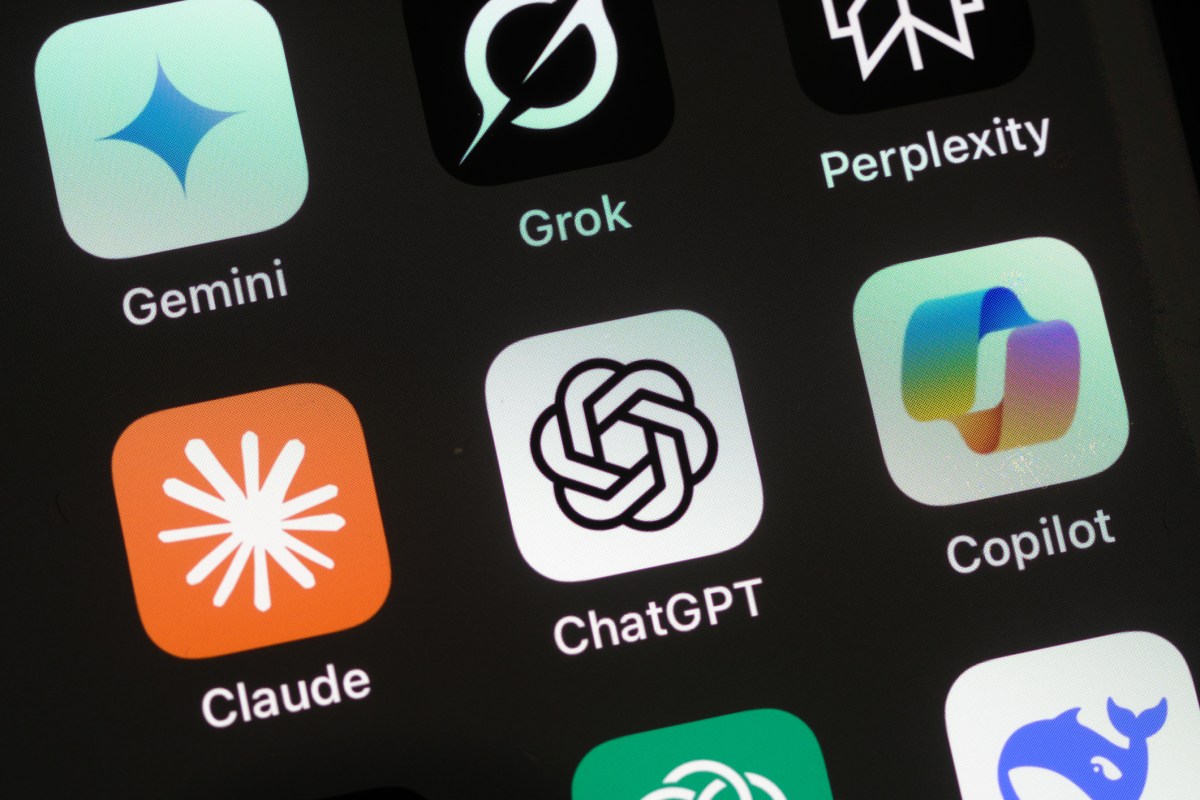
Apple is preparing a significant shift in its AI strategy. According to Bloomberg reporting via TechCrunch, iOS 27 will introduce a feature internally called “Extensions” that lets users pick which third-party AI models power Apple Intelligence features including Siri, Writing Tools, and Image Playground. Models from Google and Anthropic are already being tested, and Apple has signed a reported $1 billion per year partnership with Google for a custom Gemini model to power a rebuilt Siri. The capability will also extend to iPadOS 27 and macOS 27, effectively turning Apple’s ecosystem into an AI marketplace where users can select different voices and providers for different tasks.
OpenAI Building a Desktop “Super App” Merging ChatGPT, Codex, and Atlas Browser
OpenAI is consolidating its product portfolio into a single desktop application. Led by CEO of Applications Fidji Simo, the “super app” will unify ChatGPT, the Codex coding agent, and the Atlas web browser into one platform. An internal memo first reported by The Wall Street Journal explained that the company was spreading efforts across too many standalone apps. The super app is specifically a desktop product targeting professional and enterprise users, with mobile ChatGPT remaining unchanged. President Greg Brockman is overseeing the product revamp, with the first major preview expected before the end of 2026.
OpenAI Acquires TBPN Talk Show in First-Ever Media Deal
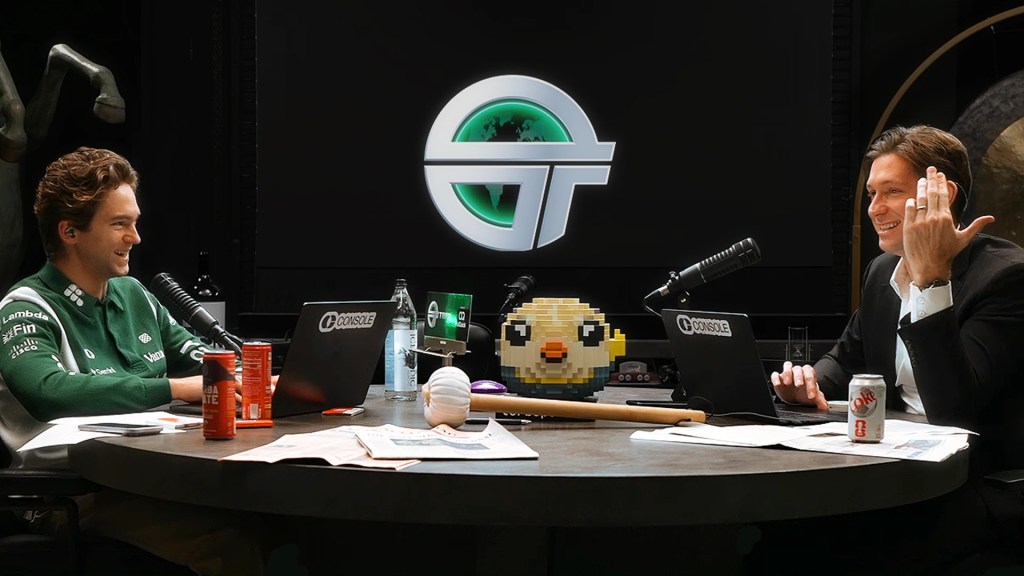
OpenAI has acquired the Technology Business Programming Network (TBPN), a daily Silicon Valley talk show hosted by founders John Coogan and Jordi Hays, in a deal reportedly valued in the low hundreds of millions. It marks OpenAI’s first media acquisition. TBPN averages about 70,000 daily viewers and was on track for roughly $30 million in revenue this year. The show will report to Chris Lehane, OpenAI’s chief political operative, though the company says TBPN will maintain editorial independence. CEO Sam Altman called TBPN his favorite tech show, adding that he doesn’t expect them to go easier on the company. The acquisition signals OpenAI’s growing ambition to shape public discourse around AI as it approaches a potential IPO.
The Big Picture
This week crystallizes the tension at the heart of the AI industry in 2026. On one side, there is unprecedented spending—Meta alone plans to pour up to $145 billion into AI infrastructure this year—paired with product consolidation moves from OpenAI and platform-level shifts from Apple and Google. On the other, Anthropic’s Project Glasswing reveals that frontier AI has already surpassed most human capabilities in finding software vulnerabilities, creating both enormous defensive opportunity and urgent new risks. And underlying it all, Meta’s imminent layoffs of 8,000 people serve as a stark reminder that the companies building the future of AI are simultaneously reshaping the workforce that supports them. As Google I/O opens tomorrow, the industry’s direction has never been more consequential—or more contested.
Sources
- Android Authority – What to Expect from Google I/O 2026
- Tech Times – Google I/O 2026 Keynote Opens Tuesday
- The Next Web – Meta to Cut 8,000 Jobs on 20 May
- Fortune – Meta Bumps 2026 Capex Forecast to $145 Billion
- CNBC – 20,000 Job Cuts at Meta, Microsoft Raise AI Labor Concerns
- Anthropic – Project Glasswing
- Anthropic Red Team – Claude Mythos Preview
- TechCrunch – Apple Plans to Make iOS 27 a Choose Your Own Adventure of AI Models
- 9to5Mac – iOS 27 Will Let You Choose Between Gemini, Claude, and More
- MacRumors – OpenAI Superapp to Merge ChatGPT, Codex, and Atlas Browser
- The Decoder – OpenAI Plans Desktop Superapp
- TechCrunch – OpenAI Acquires TBPN
- Fortune – OpenAI’s TBPN Deal Shows How Talent, Media, and Influence Are Collapsing


Responses