May 23, 2026 – AI Daily Recap

Google I/O 2026 dominated the week with the launch of Gemini 3.5 Flash and a personal AI agent called Gemini Spark, while cross-industry adoption of SynthID watermarking signaled a new era of AI content provenance. Meanwhile, Anthropic landed a major talent coup, Meta began its largest layoff round since 2023, and an Anthropic co-founder made a bold prediction about AI and Nobel-level science.
Google I/O 2026: Gemini 3.5 Flash and Gemini Spark Take Center Stage
Google used its annual developer conference to unveil Gemini 3.5 Flash, the first model in a new series that combines frontier-level intelligence with agentic action capabilities. The model is now generally available through Google Antigravity, the company’s agent-first development platform, along with the Gemini API and Google AI Studio. Google says it outperforms Gemini 3.1 Pro on challenging coding and agentic benchmarks while maintaining the speed the Flash series is known for.
Perhaps even more eye-catching was Gemini Spark, a 24/7 personal AI agent designed to navigate your digital life, take actions on your behalf, and work in the background on your phone or laptop — even while they’re turned off. Spark is rolling out to trusted testers first, with a beta planned for Google AI Ultra subscribers in the U.S. next week. Google also previewed custom generative UI in Search, where layouts are assembled in real time with interactive visuals, tables, and simulations to help users understand complex topics.
Google Unveils First Audio Glasses with Gentle Monster, Warby Parker, and Samsung
In a hardware reveal that drew cheers at the keynote, Google announced its first audio-equipped smart glasses, made in partnership with fashion brands Gentle Monster and Warby Parker alongside Samsung. The glasses are set to arrive this fall and will be compatible with both Android and iOS devices. Google also launched Science Skills, a specialized bundle integrating insights from over 30 major life science databases including UniProt, AlphaFold Database, and InterPro — a clear signal of AI’s deepening role in scientific research.
SynthID Goes Cross-Industry as OpenAI, Nvidia, and ElevenLabs Sign On
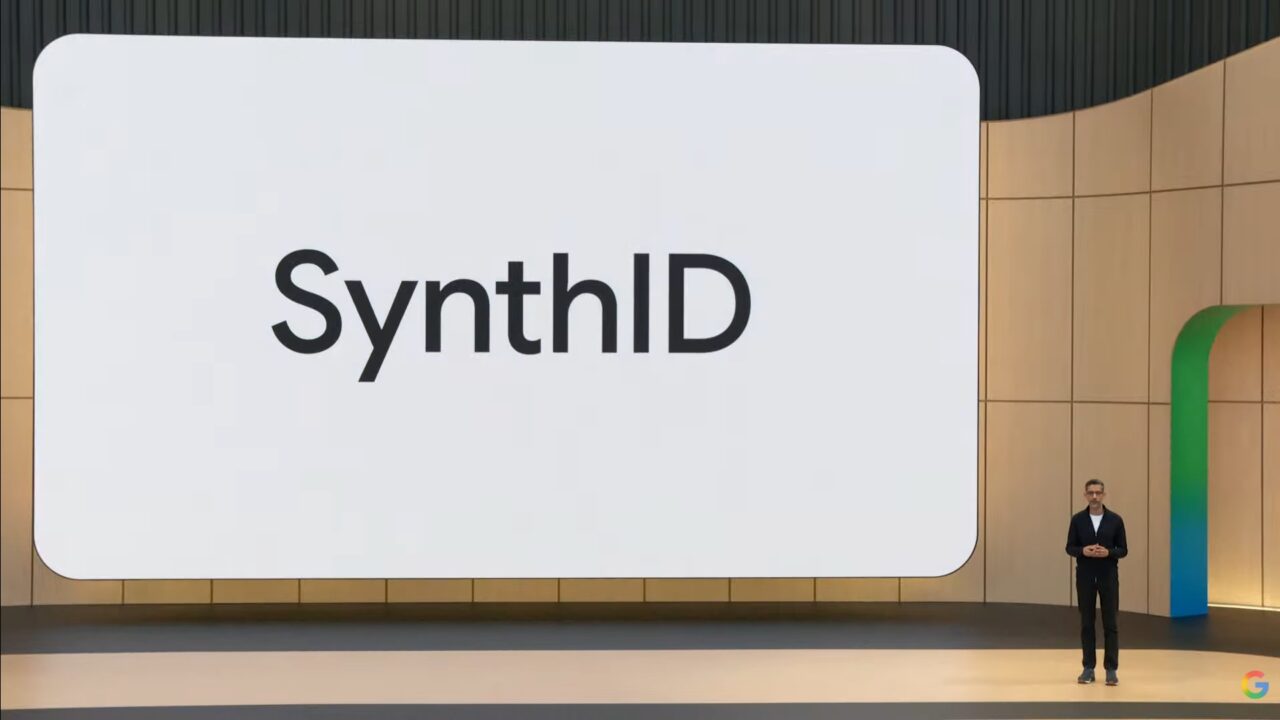
One of the most consequential announcements from Google I/O was the cross-industry adoption of SynthID, Google’s invisible watermarking technology for AI-generated content. OpenAI confirmed it will embed SynthID in all ChatGPT-generated images, joining Nvidia, Kakao, and ElevenLabs as adopters. The technology has already been used to watermark over 100 billion images and videos and 60,000 years of audio, according to Google. SynthID verification is now expanding from the Gemini app into Google Search and Chrome, letting users check whether images were created by AI or captured by a camera.
Andrej Karpathy Joins Anthropic in Major Talent Move
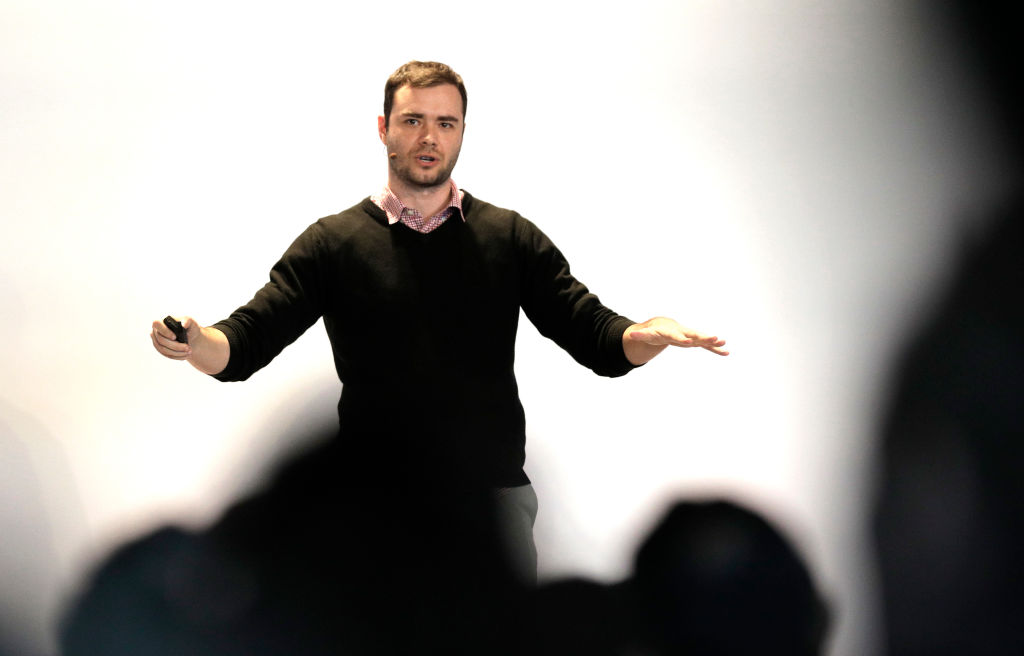
In one of the most significant talent moves in the AI industry this year, Andrej Karpathy announced he has joined Anthropic. The OpenAI co-founder and former Tesla AI lead is working on pre-training under team lead Nick Joseph, where he will build a team focused on using Claude to accelerate pre-training research. Karpathy is one of the few researchers who can bridge LLM theory with large-scale training practice, and the hire signals that Anthropic believes AI-assisted research — not just raw compute — is how it stays competitive. Separately, Anthropic also brought on cybersecurity veteran Chris Rohlf to its frontier red team.
Meta Begins Cutting 8,000 Jobs While Pouring $145 Billion Into AI

Meta has begun its largest layoff round since 2023, cutting approximately 8,000 workers — about 10% of its workforce — while also canceling 6,000 open positions. The reductions come not during a downturn but during a period of record financial performance, with Q1 2026 revenue hitting $56.31 billion. The cuts are funding a massive pivot: Meta has raised its 2026 capital expenditure guidance to between $125 billion and $145 billion, nearly all directed at AI data centers, Nvidia GPUs, and custom silicon. Internal tensions have risen sharply, with employees protesting a monitoring program called the Model Capability Initiative that captures desktop activity to train AI agents. More rounds are expected in August and autumn 2026.
Anthropic’s Jack Clark Predicts AI Will Help Win a Nobel Prize Within 12 Months
Speaking at Oxford University on May 21, Anthropic co-founder Jack Clark predicted that AI will collaborate with humans on a Nobel Prize-winning discovery within the next 12 months. He also forecast that companies run solely by AIs would be generating millions of dollars in revenue within 18 months and that by the end of 2028, AI systems would be designing their own successors. In his signature style, Clark paired these aggressive timelines with serious warnings, maintaining that AI still carries scenarios with a non-zero chance of catastrophic outcomes. The lecture was covered extensively by Time and other outlets, capturing the tension at the heart of frontier AI development.
The Big Picture
This week crystallized several forces reshaping the AI landscape simultaneously. Google’s I/O 2026 showed that the frontier model race is now inseparable from the agent race — Gemini 3.5 Flash and Spark are designed not just to think but to act. The cross-industry adoption of SynthID marks a rare moment of cooperation on AI content provenance, with rivals like Google and OpenAI agreeing that watermarking is infrastructure, not a competitive moat. Anthropic’s Karpathy hire underscores that the talent war is intensifying even as Meta’s layoffs reveal the human cost of the industry’s all-in bet on AI infrastructure. And Jack Clark’s Oxford lecture reminded everyone that the people building these systems are simultaneously thrilled and terrified by what they’re creating. The gap between ambition and accountability continues to widen.
Sources
- 100 Things We Announced at Google I/O 2026 – Google Blog
- Google I/O 2026: Sundar Pichai’s Opening Keynote – Google Blog
- All the News from the Google I/O 2026 Developer Keynote – Google Developers Blog
- Biggest Google I/O 2026 Announcements – Tom’s Guide
- Making It Easier to Understand How Content Was Created – Google Blog
- OpenAI Adopts Google SynthID Watermarks – WinBuzzer
- Google Expands SynthID and Confirms Partners – MLQ.ai
- OpenAI Co-Founder Andrej Karpathy Joins Anthropic – TechCrunch
- Anthropic Hires OpenAI Co-Founder Andrej Karpathy – CNBC
- Meta Cuts 8,000 Jobs Amid Record Revenue – The Next Web
- Meta Begins 8,000 May 2026 Layoffs – Metaintro
- Anthropic Co-Founder Says AI Nobel Prize Possible Within a Year – TechCentral
- Anthropic Sells Claude’s Promise While Warning About AI’s Dangers – Time


Responses