
OpenAI’s $1.4 Trillion Bet: The Moment AI Bubble Fears Turned Real


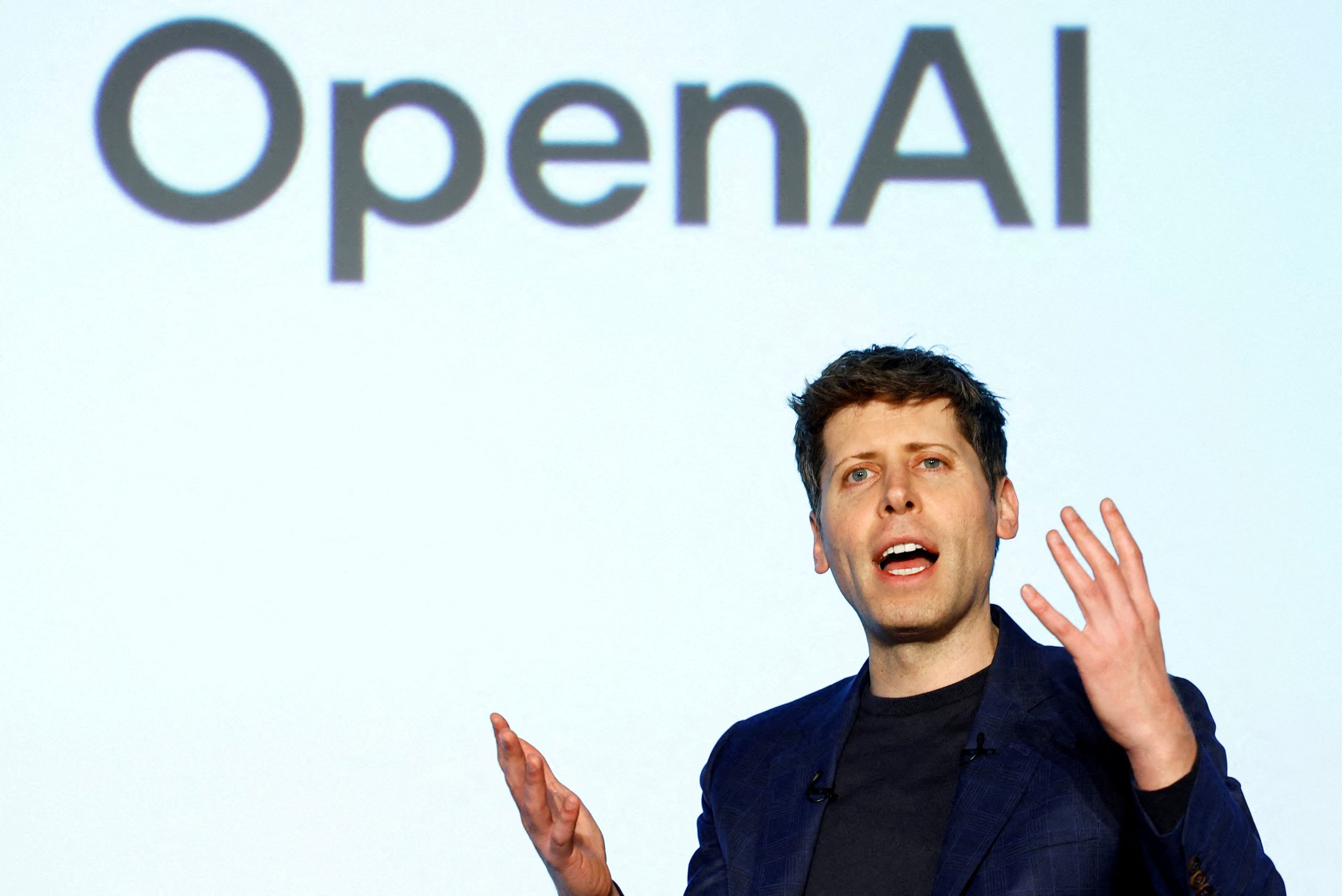
As Big Tech earnings reports rolled out this week, a staggering revelation surfaced: OpenAI has committed to $1.4 trillion in capital expenditures over the next five years, forcing the company into a frenzied fundraising scramble. This is no longer venture capital; this is an infrastructure bet that rivals national budgets.
The Partnership Divorce
What makes this announcement seismic is OpenAI’s dramatic pivot away from Microsoft, its longtime exclusive partner and backer. In just one week, OpenAI inked multibillion-dollar deals with Nvidia, Broadcom, Oracle, Amazon, and Google—effectively commodifying its infrastructure partners while hedging its bets. Microsoft, which had assumed it would be OpenAI’s exclusive cloud provider, now watches from the sidelines as OpenAI shops its workloads across competing ecosystems. This signals a fundamental shift: OpenAI no longer sees itself as a software company but as a capital-intensive infrastructure player, competing directly with cloud giants.
The Market’s Reckoning
Simultaneously, investor skepticism is mounting as earnings reports expose the reality behind AI spending. While tech giants collectively plan to spend over $500 billion on AI capex this year alone, evidence of tangible ROI remains elusive. McKinsey’s analysis suggests AI could replace 40% of American jobs, a possibility that simultaneously excites and terrifies shareholders. The optimism that fueled AI valuations through 2025 has shifted to hard questions: Can OpenAI’s $1.4 trillion bet actually generate returns, or is it burning capital to maintain market dominance?
For Developers: The Consolidation Begins
For practitioners building with AI, this moment marks a transition from innovation to consolidation. The “open field” of 2025—where startups could compete with incumbents—is rapidly closing as infrastructure costs become prohibitive. Smaller agentic AI platforms will either consolidate into the mega-players or shift focus to niche, high-margin applications where they don’t compete on raw compute.






Responses