
Replit Just Made Mobile Vibecoding Real

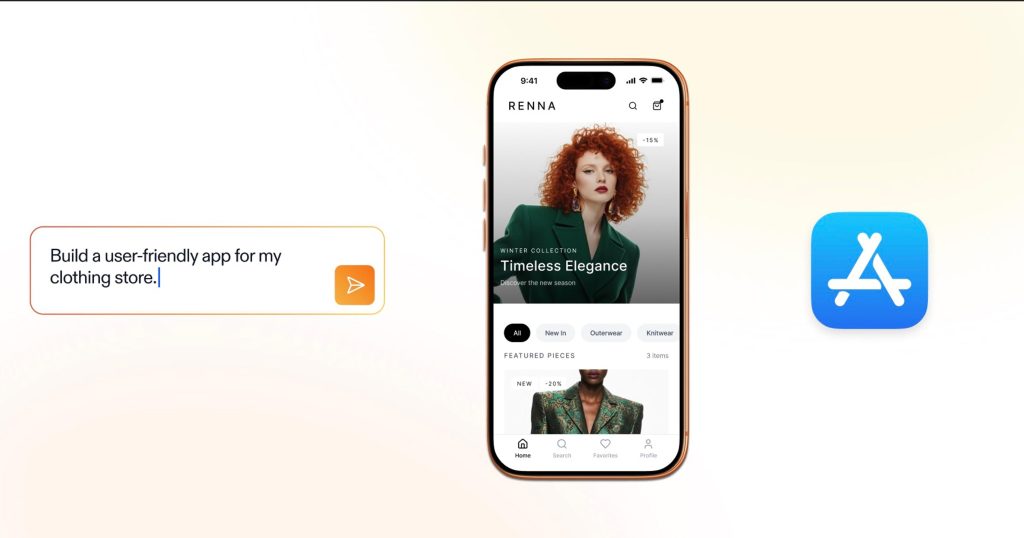
This week, Replit shipped a feature that fundamentally changes what “vibe coding” means: the ability to build, test, and publish native iOS and Android apps using only natural language prompts. No boilerplate. No setup. Ship to the App Store in days, not months.
From Concept to App Store in Days
Until now, mobile development required two separate skillsets: backend infrastructure and platform-specific code (Swift/Kotlin). Replit’s AI Agent now handles both. You describe your app idea in plain English. The agent generates a complete full-stack application: React Native frontend, Node backend, database schema, authentication, payment integration (via Stripe), and deployment infrastructure.
The remarkable part: you can test the app immediately by scanning a QR code with Expo Go on your phone. No simulator. No waiting. See changes instantly.
Then publish directly to the App Store from Replit. The platform handles signing, provisioning profiles, and all the certification nightmares that typically eat three weeks of a developer’s time.
The Workflow That Changes Everything
Describe an app → Agent builds it → Test on your phone → Deploy to App Store. Each step happens in Replit’s web interface. You never leave the browser.
Replit’s free tier lets you build and share working apps without paying anything upfront. Deployment starts at $1/month for auto-scale infrastructure. This is the first platform where the barrier to shipping a mobile app is effectively zero.
Why This Breaks Open the Market
Mobile app development was gatekept by specialized knowledge. Replit just democratized it completely. A vibecoder with zero mobile experience can now ship an iOS app faster than a traditional mobile engineer can set up Xcode.
The competitive advantage flips. Speed becomes the only metric that matters. And Replit’s mobile agent is measured in hours, not weeks.
If you haven’t tested Replit’s mobile agent yet, start today. This isn’t the future of mobile development—it’s arriving right now.







Responses