
April 14, 2026 – AI Daily Recap


The AI industry spent April 13 staring at itself in the mirror — and not everyone liked what they saw. Stanford’s flagship AI Index dropped a 400-plus-page reality check, PwC warned that AI’s gains are flowing to a shrinking circle of winners, OpenAI reportedly told staff that Anthropic is cooking its revenue numbers, and Gallup confirmed that AI is now a daily habit for a growing slice of the American workforce. Layer on a high-stakes chip tariff decision landing today, and you have one of the meatiest news days of the year so far.
Stanford AI Index 2026: China has erased America’s lead
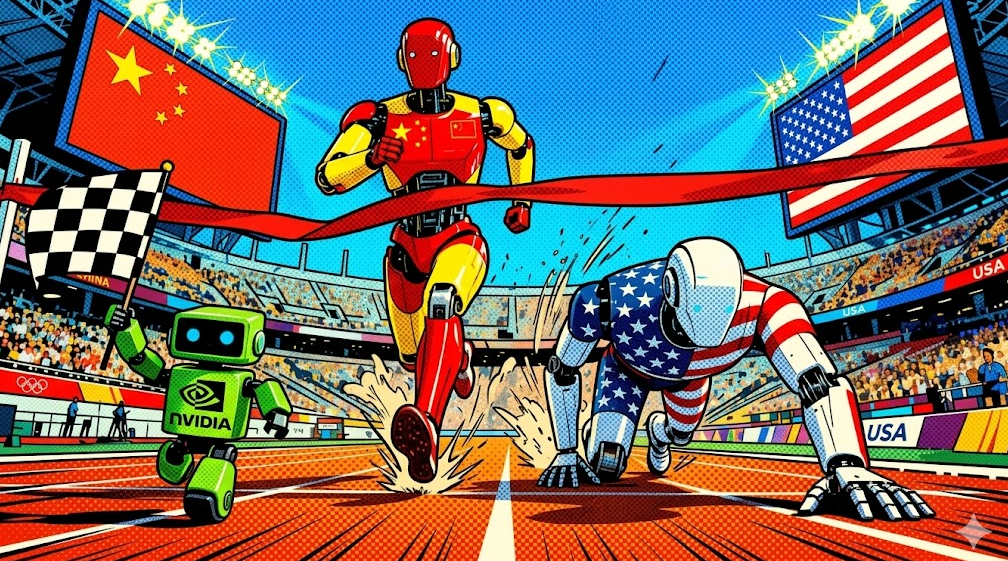
Stanford’s Institute for Human-Centered AI released its 2026 AI Index Report on Monday, and the headline chart is the one U.S. policymakers did not want to see: Chinese and American frontier models have been trading the top spot on benchmarks since early 2025, and as of March Anthropic’s best model leads China’s best by just 2.7 percent. The report also finds that the most capable modern models are now among the least transparent, with the Foundation Model Transparency Index sliding from 58 to 40 as labs clam up on training data and parameter counts. On the money side, U.S. private AI investment reached $285.9 billion last year — still 23 times China’s total — but the quality gap has all but disappeared.
The insider–public gap on AI keeps widening
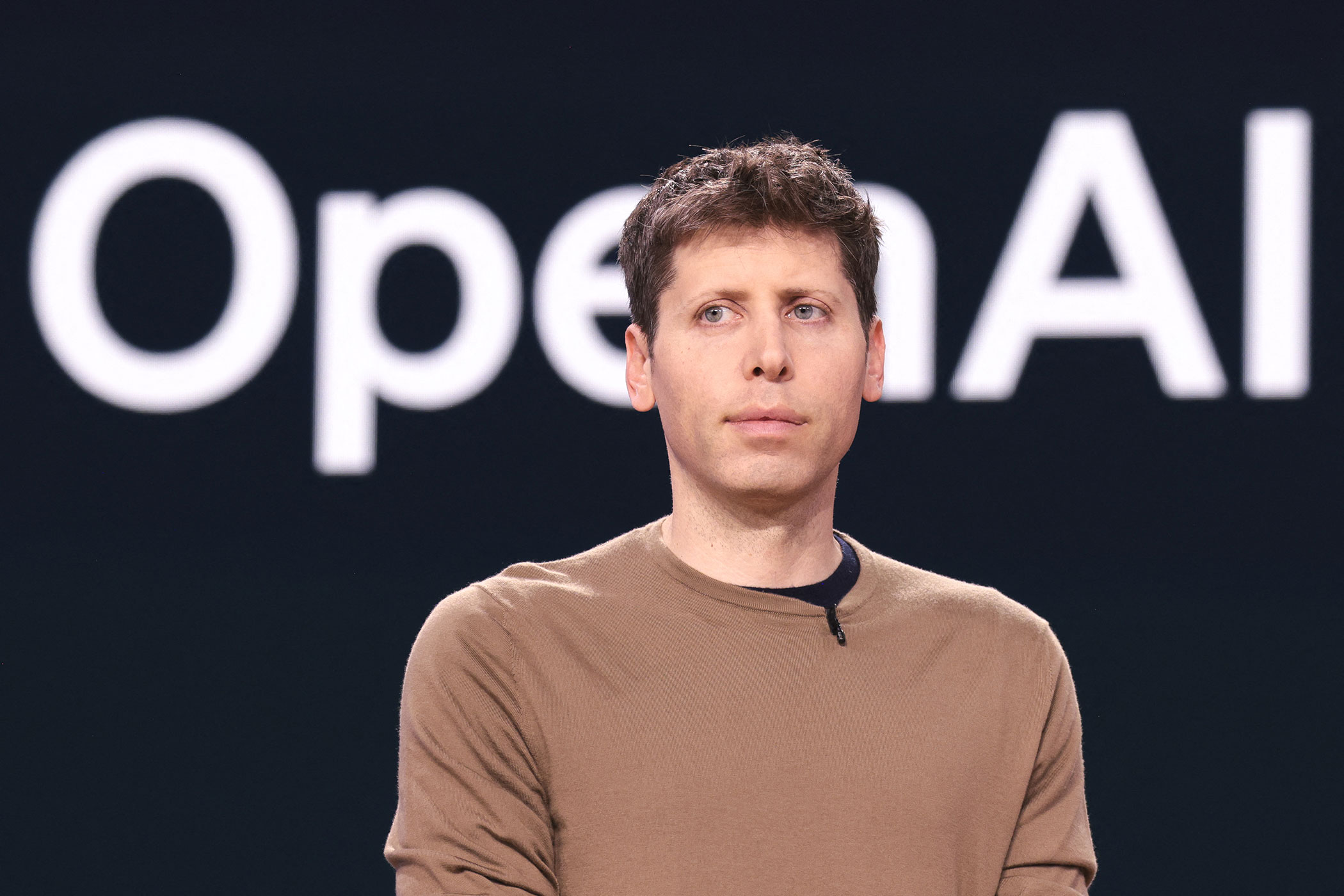
Buried inside the same Stanford report is a social chart just as striking as the benchmark one. As TechCrunch highlights, 59 percent of people globally now say they feel optimistic about AI’s benefits — up from 52 percent — but nervousness is also creeping up, with more than half of respondents worried about jobs, healthcare costs, and the economy. Generative AI has hit 53 percent global population adoption in about three years, faster than the PC or the internet, yet trust in AI oversight is falling. The report’s authors describe a widening gap between AI insiders racing ahead and a public that feels increasingly “done to” rather than “done with” on AI deployment decisions.
OpenAI memo accuses Anthropic of inflating its run rate by $8B

The enterprise AI knife fight went public this week. According to an internal OpenAI memo obtained by Implicator.ai, OpenAI’s chief revenue officer told staff that rival Anthropic is overstating its $30 billion annualized run rate by roughly $8 billion through gross-revenue accounting that includes reseller pass-throughs. The memo lands just as corporate-spending data shows Anthropic on track to pass OpenAI in enterprise customer share within two months, and only weeks after Anthropic closed a $30 billion Series G at a $380 billion post-money valuation. Translation: the race for developer and enterprise mindshare is now tight enough that the incumbents are pushing back on the numbers, not just the models.
Gallup: half of employed Americans now use AI at work

New Gallup workplace data shows that for the first time, half of employed American adults say they use AI in their role at least a few times a year. Thirteen percent now use it daily and 28 percent use it a few times a week or more, a dramatic jump in just twelve months. The research also flags real workforce churn: managers in AI-heavy functions report more role restructuring, more responsibility for AI-augmented output, and a widening skills premium for workers who can design, prompt, and audit AI systems. For builders, it’s a green light — AI tooling has crossed from experiment into default software layer for knowledge work.
PwC: 20% of companies are capturing three-quarters of AI’s economic gains
PwC’s 2026 AI Performance Study, also released April 13, lands a pointed message for boardrooms still treating generative AI as a productivity sidebar: three-quarters of AI’s measurable financial gains are being captured by just 20 percent of companies, and those winners are the ones using AI to drive revenue growth, not just shave cost. The consultancy profiles this leading cohort as aggressive on agentic AI deployment, rigorous on ROI tracking, and — importantly — willing to restructure incentive and reporting lines around AI-first workflows. Laggards are falling further behind on margin, valuation multiples, and talent attraction. If you’ve been waiting for the McKinsey-style “AI divide” chart that gets cited at every board meeting for the next year, this is it.
Today’s wild card: the Section 232 chip tariff report
Arguably the most market-moving AI story of the day has nothing to do with models. The U.S. Trade Representative and Commerce Secretary are due to deliver their Section 232 Phase 2 report on advanced AI semiconductors to the President today, April 14. The existing 25 percent tariff on advanced logic chips has been in place since January, but Phase 2 could reshape duties on imports from Taiwan, South Korea, and Japan — a trio that supplies essentially every AI accelerator in the hyperscaler build-out. Taiwan has already negotiated a quota-based carve-out, but the rest of Asia’s chip belt is waiting to see whether today’s report tightens the screws or widens exemptions. Either way, the downstream effects on NVIDIA, AMD, and hyperscaler capex plans will ripple for quarters.
The big picture
Today’s news rhymes in a way that should be uncomfortable for the industry’s loudest optimists. The Stanford report says models are better than ever but less transparent; PwC says the economic payoff is real but increasingly concentrated; Gallup says half the workforce is using AI but nervousness is rising; and the OpenAI–Anthropic memo reminds us that the “revenue” behind trillion-dollar valuations is still being debated in first principles. The story of 2026 so far is not that AI has stalled — benchmarks, adoption, and capex all say the opposite. It’s that the winners are pulling away fast, the losers haven’t noticed yet, and the public is catching on to both. Add a chip-tariff decision landing before the closing bell, and today is a good microcosm of the year ahead: the technology is compounding, and so are the political and economic stakes.
Sources
- Stanford HAI — The 2026 AI Index Report
- Stanford HAI — 12 Takeaways from the 2026 AI Index
- SiliconANGLE — China has erased the US lead in AI
- TechCrunch — Stanford report highlights growing disconnect between AI insiders and everyone else
- Implicator.ai — OpenAI memo accuses Anthropic of $8B run-rate inflation
- Gallup — Rising AI Adoption Spurs Workforce Changes
- PwC — 2026 AI Performance Study
- Pillsbury Law — Section 232 AI Semiconductor Actions
- Tom’s Hardware — Taiwan VP on US chip deal





Responses