April 4, 2026 – AI Daily Recap

Friday capped off a week of seismic moves in the AI industry. Google dropped its most capable open-source model family yet, Microsoft committed $10 billion to Japan’s AI infrastructure, and the fallout from OpenAI’s Sora shutdown continued to reverberate across Hollywood and Silicon Valley. Meanwhile, a supply-chain attack exposed vulnerabilities across the AI ecosystem, and state legislatures raced to regulate chatbots before session deadlines. Here’s everything you need to know.
Google Launches Gemma 4, Its Most Capable Open-Source Models Yet
Google released Gemma 4, a new family of open-source AI models under the Apache 2.0 license. The lineup includes four sizes — Effective 2B, Effective 4B, 26B Mixture-of-Experts, and 31B Dense — purpose-built for advanced reasoning and agentic workflows. The 31B model currently ranks third on the Arena AI text leaderboard, while the 26B MoE secures sixth place. Gemma 4 supports audio, video, and code inputs, and can run locally on billions of Android devices and select laptop GPUs. It’s available through Google AI Studio, Hugging Face, Kaggle, and Ollama — making it one of the most accessible frontier-class open models to date.
Microsoft Commits $10 Billion to Japan’s AI Infrastructure
Microsoft announced a $10 billion investment in Japan spanning 2026 to 2029, covering AI infrastructure, cybersecurity partnerships, and workforce training for over one million engineers by 2030. The plan includes a new collaboration with SoftBank and Sakura Internet to provide GPU-based AI compute through Azure with data residency in Japan. Shares of Sakura Internet surged over 20% on the news. The investment builds on Microsoft’s $2.9 billion Japan commitment from 2024 and reflects the intensifying global competition for AI infrastructure dominance.
OpenAI’s Sora Shutdown Fallout Continues
The aftermath of OpenAI’s decision to kill Sora, its AI video-generation tool, continued to dominate industry conversation this week. The app was burning through roughly $1 million per day while user counts collapsed from a peak of one million to under 500,000. The Sora web experience will shut down on April 26, with the API following on September 24. Perhaps the most dramatic fallout: Disney pulled its planned $1 billion stake in OpenAI after learning about the shutdown less than an hour before the public announcement. CEO Sam Altman has signaled that freed-up compute will be redirected toward coding tools and enterprise customers.
Mercor Breach Exposes AI Supply Chain Vulnerabilities

AI recruiting startup Mercor confirmed it was among thousands of companies hit by a supply-chain attack on LiteLLM, an open-source tool used by developers to connect applications to AI services from OpenAI, Anthropic, and Meta. The TeamPCP hacking group compromised a maintainer’s credentials to publish malicious PyPI packages that were live for approximately 40 minutes — but LiteLLM is downloaded millions of times daily. Security researchers estimate up to 500,000 machines and 1,000 SaaS environments may be affected, with Lapsus$ claiming to have obtained four terabytes of stolen data including source code and internal Slack messages.
DeepSeek V4 Inches Closer to Release
After months of delays and leaks, DeepSeek V4 appears to be nearing its official release. The Chinese lab’s one-trillion-parameter Mixture-of-Experts model activates approximately 37 billion parameters per inference pass, featuring a one-million-token context window and native multimodal input support for text, images, and code. Notably, the model has been optimized for Huawei’s Ascend chips, demonstrating China’s push toward hardware independence. Early benchmarks suggest performance competitive with US frontier models, though these claims remain unverified pending the official release.
78 AI Bills Alive Across 27 States as Legislatures Race to Regulate
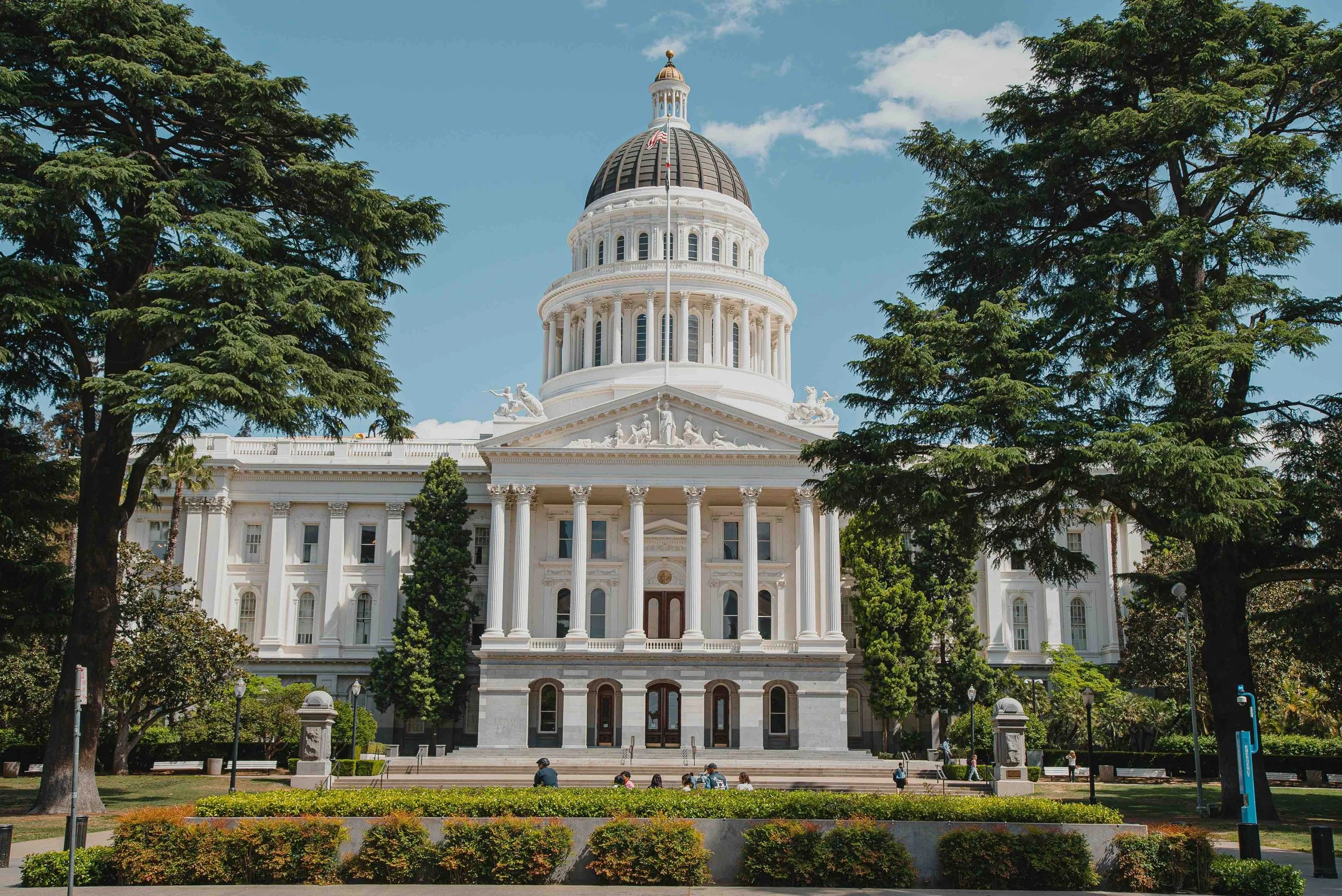
The Transparency Coalition’s latest legislative update reveals that 78 chatbot-related bills are alive across 27 states, just six weeks into the 2026 session. Georgia is heading toward a session-ending deadline on April 6 with three AI bills on the governor’s desk, including a chatbot disclosure and child safety measure. Idaho has already approved four separate AI-related bills. The legislative flurry comes as the White House’s March 20 National Policy Framework for Artificial Intelligence recommended federal preemption of state AI laws — setting up an inevitable collision between state and federal approaches to AI governance.
The Big Picture
This week’s news paints a picture of an AI industry simultaneously expanding and contracting. On the expansion side, Google and DeepSeek are pushing open-source capabilities to new heights, and Microsoft is planting ten-figure infrastructure bets across the Pacific. But the contraction signals are just as telling: OpenAI is cutting products that don’t deliver immediate ROI, the LiteLLM breach has exposed how fragile the AI supply chain really is, and lawmakers in more than half the country are moving to impose guardrails. The tension between building fast and building safely has never been more acute.
Sources
- Google Blog – Gemma 4: Byte for byte, the most capable open models
- Microsoft News – Microsoft deepens its commitment to Japan with $10 billion investment
- CNBC – Japan’s Sakura Internet jumps 20% as Microsoft plans $10 billion AI push
- TechCrunch – Why OpenAI really shut down Sora
- Variety – OpenAI Shuts Down Sora, Disney Drops Planned $1B Investment
- Fortune – Mercor, a $10 billion AI startup, confirms major cybersecurity breach
- TechCrunch – Mercor hit by cyberattack tied to LiteLLM compromise
- NxCode – DeepSeek V4: 1T Parameters, Full Specs
- Transparency Coalition – AI Legislative Update: April 3, 2026
- Ropes & Gray – White House National Policy Framework for AI



Responses