Deepfakes Are Getting Hired Before You Know It’s Not Real

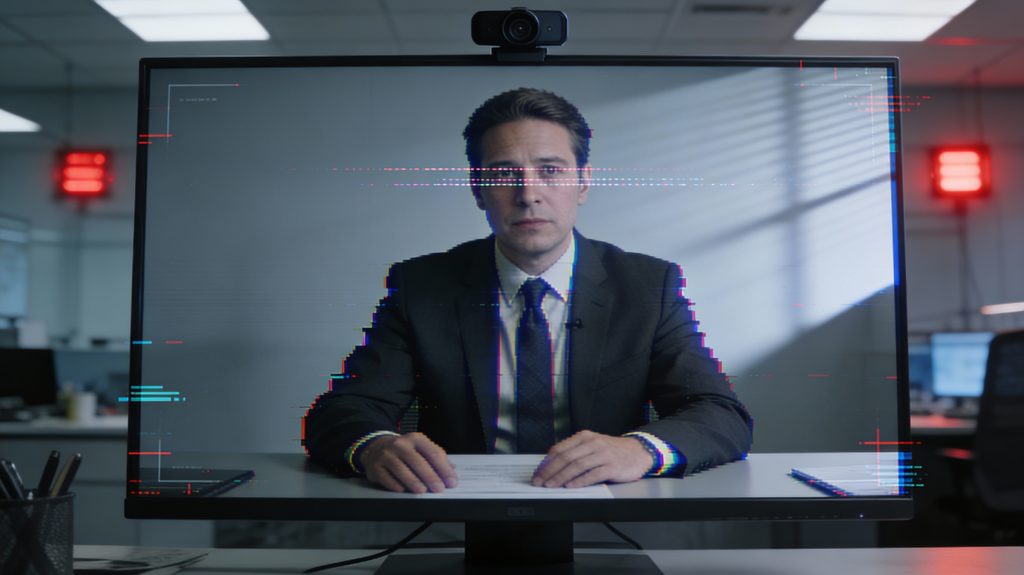
The security team onboards a new IT contractor. Sharp responses in the technical interview. Months go by without incident. Then the FBI knocks on the door: the person sitting in your office the whole time was a deepfake, operated by someone on the other side of the world.
This isn’t hypothetical. State-backed North Korean operatives have already infiltrated hundreds of U.S. companies using deepfake employees, redirecting salaries back to hostile regimes. But here’s what should actually terrify organizations: this is just the preview. As deepfake technology improves through early 2026, Experian predicts employment fraud will become impossible to distinguish from legitimate hiring, creating what amounts to a security backdoor at enterprise scale.
Why Your Interview Process Is Vulnerable Now
Companies have always relied on interviews to validate candidates. The assumption was that you could tell a real person from a fake one through live conversation. That assumption is crumbling. Advanced deepfake tools can now generate real-time video that mimics emotional intelligence, maintains eye contact, and responds contextually to technical questions—all without a human operator present.
The labor market compounds the problem. Legitimate candidates are desperate. Remote data science jobs pay six figures, and deepfake services are becoming cheaper than ever. Someone could hire deepfake impersonators to sit through interviews for them, siphon credentials, and pocket the salary. Or worse, a foreign actor places a deepfake agent directly into your company’s backend infrastructure.

The Detection Gap
Security teams are scrambling. There’s no silver bullet. Liveness checks and biometric verification help but aren’t foolproof. Organizations are now implementing secondary verification processes—background check callbacks, in-office onboarding sessions, credential validation through third parties—but these create friction that remote-first companies can’t support.
Experian warns that deepfake employment fraud will become a “tipping point” issue in 2026, forcing regulations and liability conversations that don’t exist yet. Insurance policies won’t cover it. Compliance frameworks don’t address it. You’re in uncharted legal territory if a fake employee causes a breach.
What You Can Actually Do
Until detection technology improves, the only real defense is slowing down hiring from pure velocity to friction. Multi-stage verification. In-person components, even for remote roles. Callback validation. Yes, this costs time and money. But the cost of one sophisticated deepfake inside your network is orders of magnitude higher.
The interviews you think are real might not be. That’s the working assumption now.






Responses