Designing by Intent: The Rapid Rise of the GitHub Spark Micro-App Ecosystem


We’ve all been there: you need a specific tool—a custom habit tracker, a niche SEO calculator, or a simple internal dashboard—but you don’t want to pay $20/month for a bloated SaaS product that does 90% more than you need. This week, GitHub just provided the solution. With a massive set of updates to GitHub Spark, we have officially entered the era of the Micro-App.
Building in Plain English
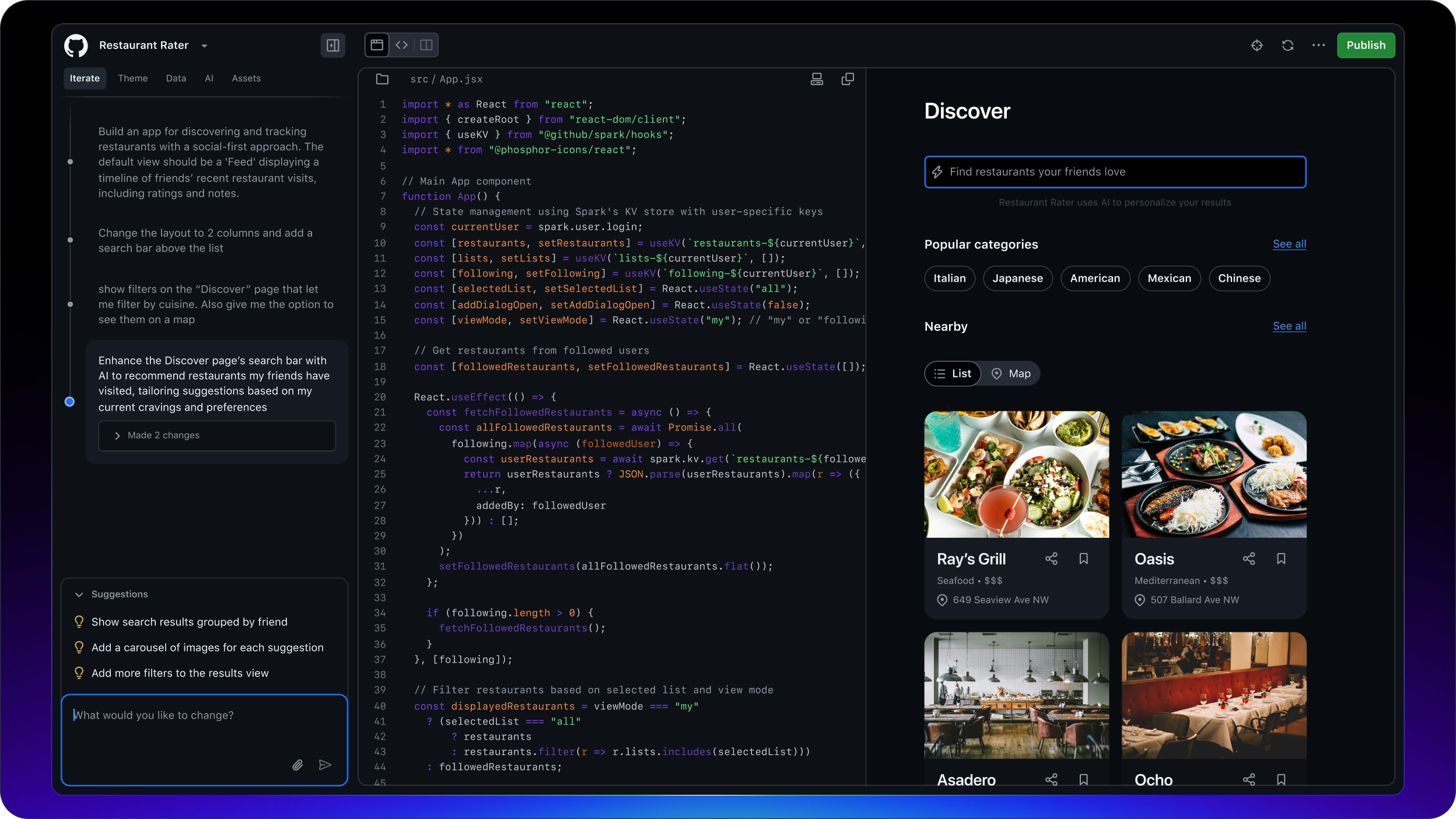
GitHub Spark is an AI-native tool that allows anyone to build functional web applications, or “sparks,” entirely in natural language. The latest update, released this week, significantly improves the visual quality of these generated apps. The Spark agent now produces unique, high-fidelity UI and UX designs that no longer look like generic AI templates. It’s not just about making it work; it’s about making it look like a real product you’d actually want to use.
The End of “Overwriting” Anxiety
One of the biggest frustrations with AI-coding tools has been the “wipe and restart” problem—where the AI accidentally overwrites your manual tweaks. The new Spark agent now respects manual edits, ensuring that any custom code or design adjustments you make are preserved during subsequent AI iterations. This turns the relationship from “AI vs. Human” into a true collaboration where you can fine-tune the “vibe” while the AI handles the logic.
Instant Preview, Instant Value
The update also introduces a live preview that pops up the moment the code generation is finished, allowing for immediate testing and iteration. For creators and “vibe-coders,” this reduces the feedback loop to near-zero. You dream it, you see it, and you ship it—often in under five minutes.
This isn’t just for developers. GitHub CEO Thomas Dohmke visioned this as a way for over a billion people to become software creators. We are moving away from massive, multi-purpose platforms and toward a world of composable micro-experiences—small, perfectly tailored tools that do exactly one thing, exactly the way you want them to. The “SaaS for everything” era is ending; the “Spark for you” era has begun.






Responses