One Prompt, One Hour, 30 Days of Content: The New Social Media Workflow

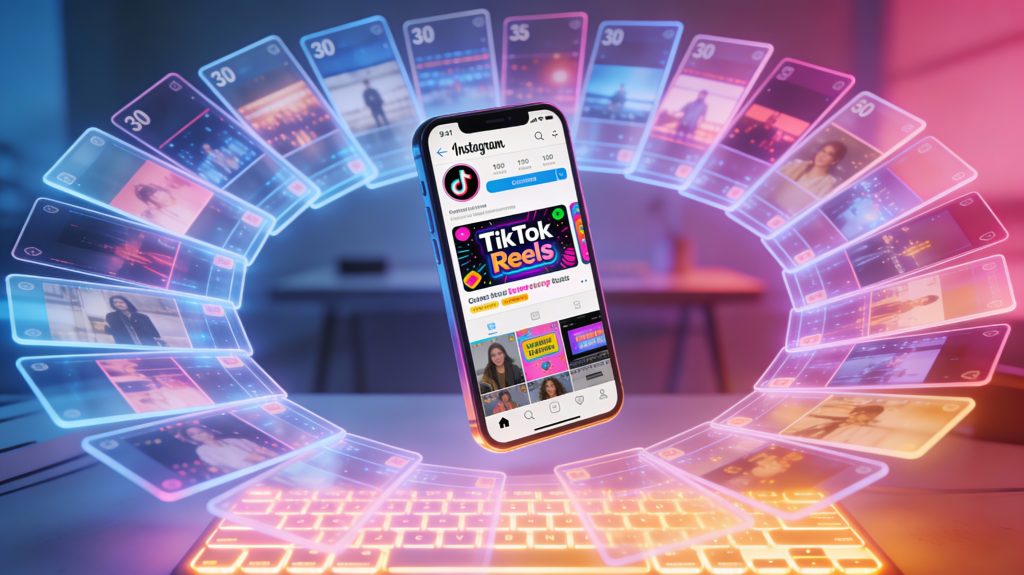
Stop treating your social media feed as something you “manage.” In January 2026, the workflow has fundamentally shifted. You’re no longer creating content for platforms—you’re orchestrating a content factory that runs on prompts, not panic.
Here’s what changed: a single, well-crafted directive to an AI system can now generate a complete 30-day content calendar—videos, captions, hashtags, even optimal posting times—without you ever touching a camera or opening a design program.
The “AI-First” Pipeline That Actually Works
The old workflow was linear: brainstorm → shoot → edit → caption → post → analyze. It was slow, human-dependent, and utterly unsustainable for keeping up with algorithm velocity.
The new workflow is simultaneous and circular:
1. One Strategic Prompt: You define your brand voice, content pillars, and target vibe in a single detailed brief.
2. Multi-Format Generation: AI expands that prompt into videos, graphics, captions, and hooks—all aligned and optimized for their specific platform (TikTok vertical, Instagram square, LinkedIn carousel).
3. Real-Time Optimization: The AI learns what’s currently trending—viral sounds, viral formats, current hashtags—and tailors output accordingly, not manually, but systematically.
4. Instant Publishing: Schedule everything at once across platforms. Some systems now post based on algorithmic peak times for your specific audience, not just guesses.
The result: 30 days of posting in 2-3 hours of human direction.
The Tools That Make This Possible
CapCut is the operational workhorse for short-form creators. Its AI-powered caption feature doesn’t just transcribe—it formats captions to match what TikTok’s algorithm is currently rewarding (text placement, animation style, timing). You literally just upload a raw clip, and the AI handles the “platform-native” formatting.
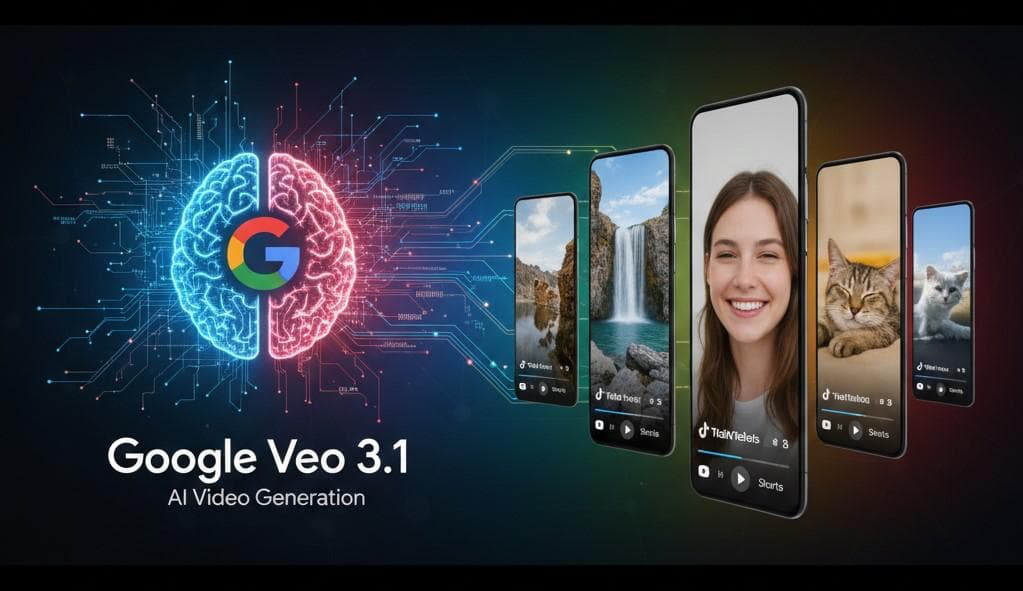
Google Veo 3.1 (released this week) changed the game for product-based creators. You can now feed it a still image of your product and it generates a 60-second narrative video, complete with synchronized audio and vertical formatting for Shorts/Reels.
Mootion generates complete TikToks from text prompts—no footage, no footage needed. You write a script. It creates visuals, finds relevant audio, and delivers a finished 15-60 second clip.
Flick (for Instagram-focused creators) uses AI to identify which hashtags will actually drive traffic to your specific content, then predicts which captions will maximize engagement based on your historical performance.
The Meta-Insight: Humans Design Direction, AI Executes
This is where creators get lost. They think AI-first means “hands off.” It’s the opposite.
Your job is clarity of intent. Define the vibe, the emotional tone, the specific cultural moment you’re addressing. Humans provide the why. AI provides the at scale.
A creator who writes a 200-word brand brief and then iterates on 10-20 AI outputs will outperform a creator manually filming 30 mediocre videos. Not because the AI is “better.” But because you’re now competing on taste and direction, not production speed.
What Actually Changed This Week
Native audio sync is the breakthrough. Veo 3.1 and Kling 2.6 now generate video and matching audio simultaneously—no more hunting for perfect music tracks or overlaying voiceovers in post-production.
Identity consistency across scenes has been solved. Characters maintain their appearance across different shots and settings without glitching or morphing.
Vertical video as a first-class citizen: AI models now generate 9:16 natively, not as a crop of 16:9. This means full-quality vertical content without letterboxing or aspect ratio trauma.
The Play
Pick one platform. TikTok? Instagram? LinkedIn? Define your content pillars in 3-5 sentences. Feed that into CapCut or Mootion. Generate 4 weeks of content in a batching session. Iterate once based on what feels authentic to your voice. Post on a schedule.
The difference between creators who are drowning in content production and those who are actually gaining audience? They’ve already made the shift.
You’re either orchestrating AI-generated content or you’re losing time to manual production. There’s no middle ground anymore.




Responses