
The Dawn of “Physical AI”: Why Nvidia’s Cosmos Just Changed the Creative Game

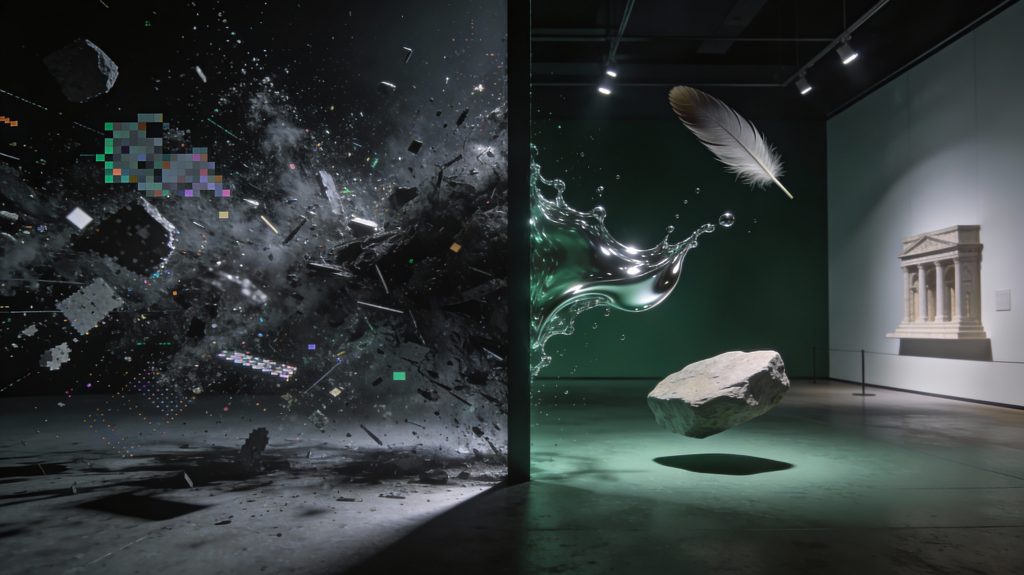
For years, generative AI has been a master of pixels but a novice in physics. We’ve all seen the videos where hands meld into faces or coffee cups float away. But as of yesterday at CES 2026, those glitches are officially a thing of the past. Nvidia just unveiled Cosmos, a foundational AI model that doesn’t just generate images—it understands the laws of the physical world.
Predicting the Unpredictable
Cosmos is built on a massive dataset designed to replicate real-world physics. Unlike previous models that simply “guessed” what the next frame should look like based on visual patterns, Cosmos can predict how objects interact, how light bounces off surfaces, and how gravity affects motion in real-time. This means that if you generate a scene of a ball hitting a window, the AI knows exactly how the glass should shatter and where the shards should fall.
The End of “AI Slop”
For creators, this is the final nail in the coffin for the “AI look”. The integration of Cosmos into creative suites allows for a level of consistency and realism that was previously impossible without manual 3D modeling and rendering. We are moving from “Visual Generative AI” to “World-Model AI,” where the machine isn’t just painting a picture—it’s simulating a reality.
Beyond the Screen
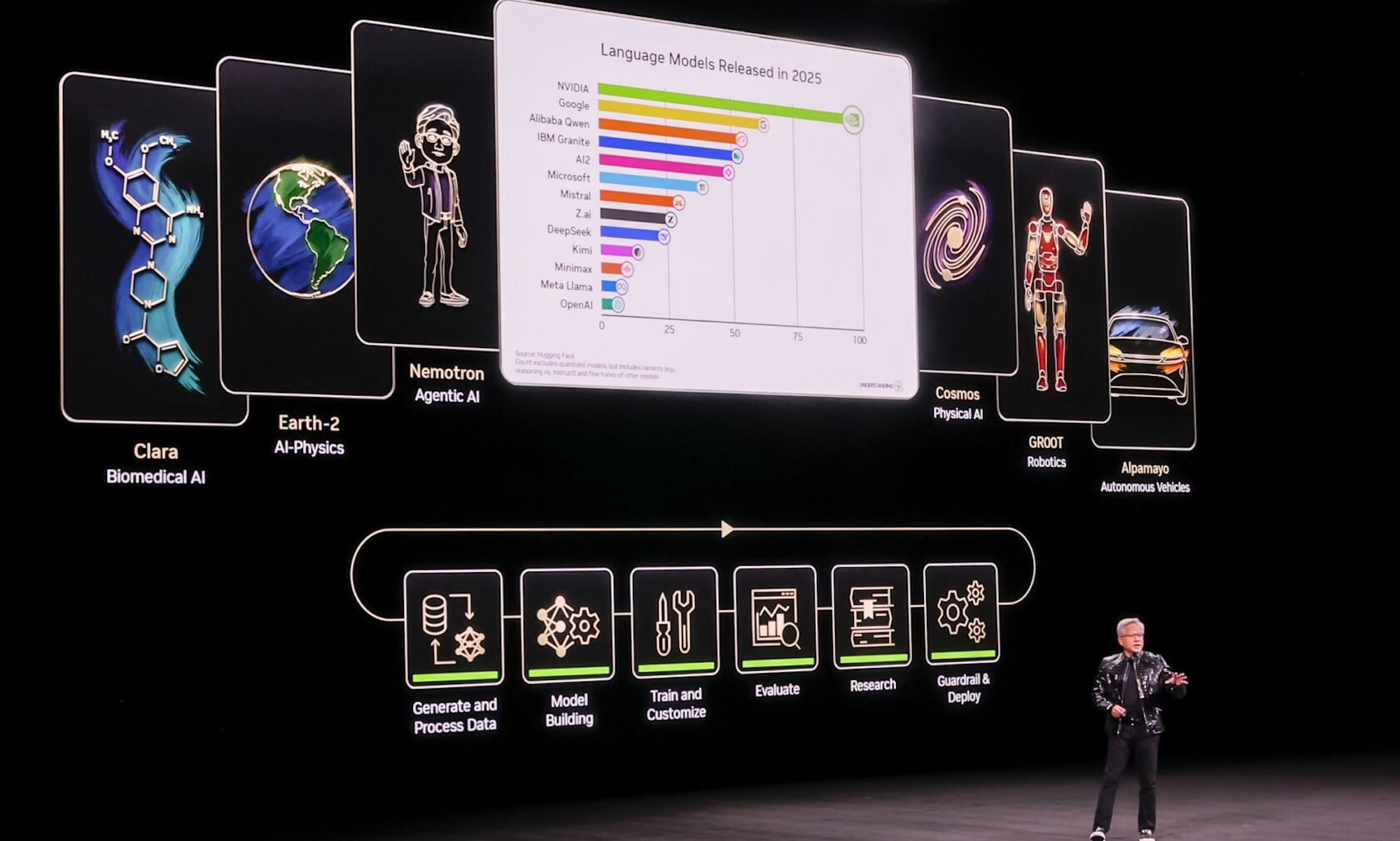
The implications go far beyond video production. Nvidia’s CEO, Jensen Huang, demonstrated how Cosmos is already being used to train the next generation of humanoid robots and self-driving systems in ultra-realistic “digital twins”. By mastering physics in the cloud, these systems can learn to navigate the real world thousands of times faster than before.
We are entering an era where the boundary between a digital render and a physical reality is becoming a matter of perspective. If you can dream it, and it obeys the laws of physics, Cosmos can now build it.






Responses