The End of Chat: The Multi-Agent Orchestration Era
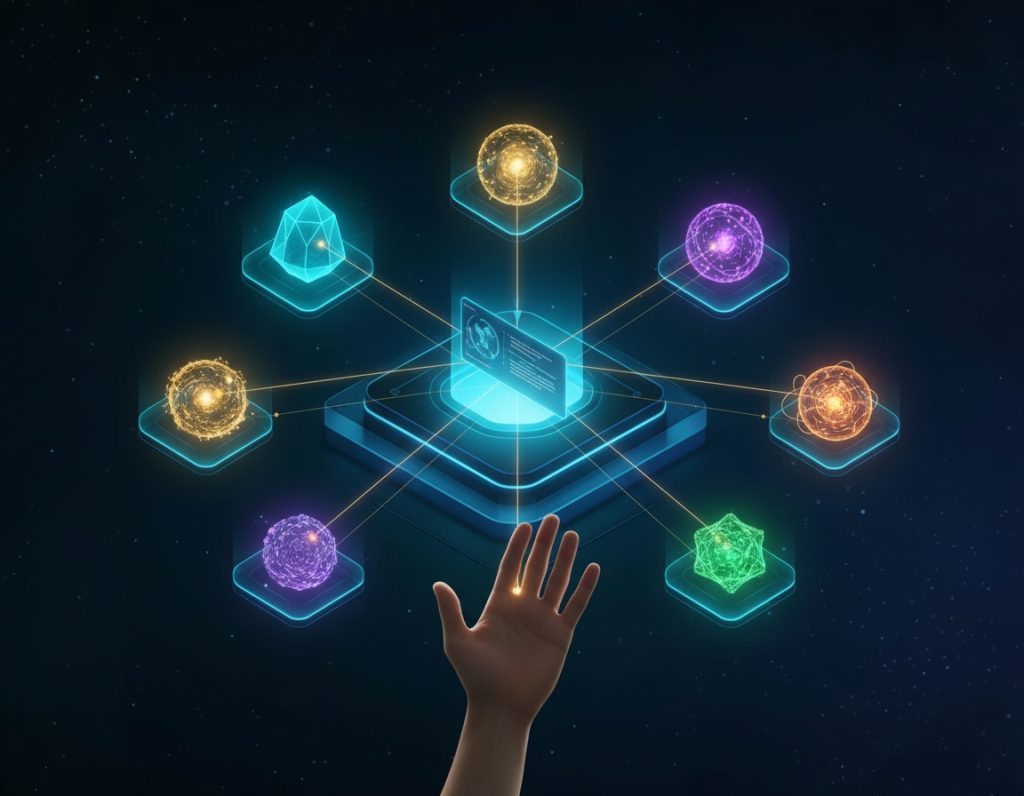
This week marks the end of “vibe coding” as a simple, linear conversation. With the simultaneous release of Cursor 2.4 and Windsurf Wave 13, the industry has shifted toward a new paradigm: no longer are you just chatting with a single assistant; you are now orchestrating a team of parallel agents working across multiple code branches.
Parallelism via Git Worktrees
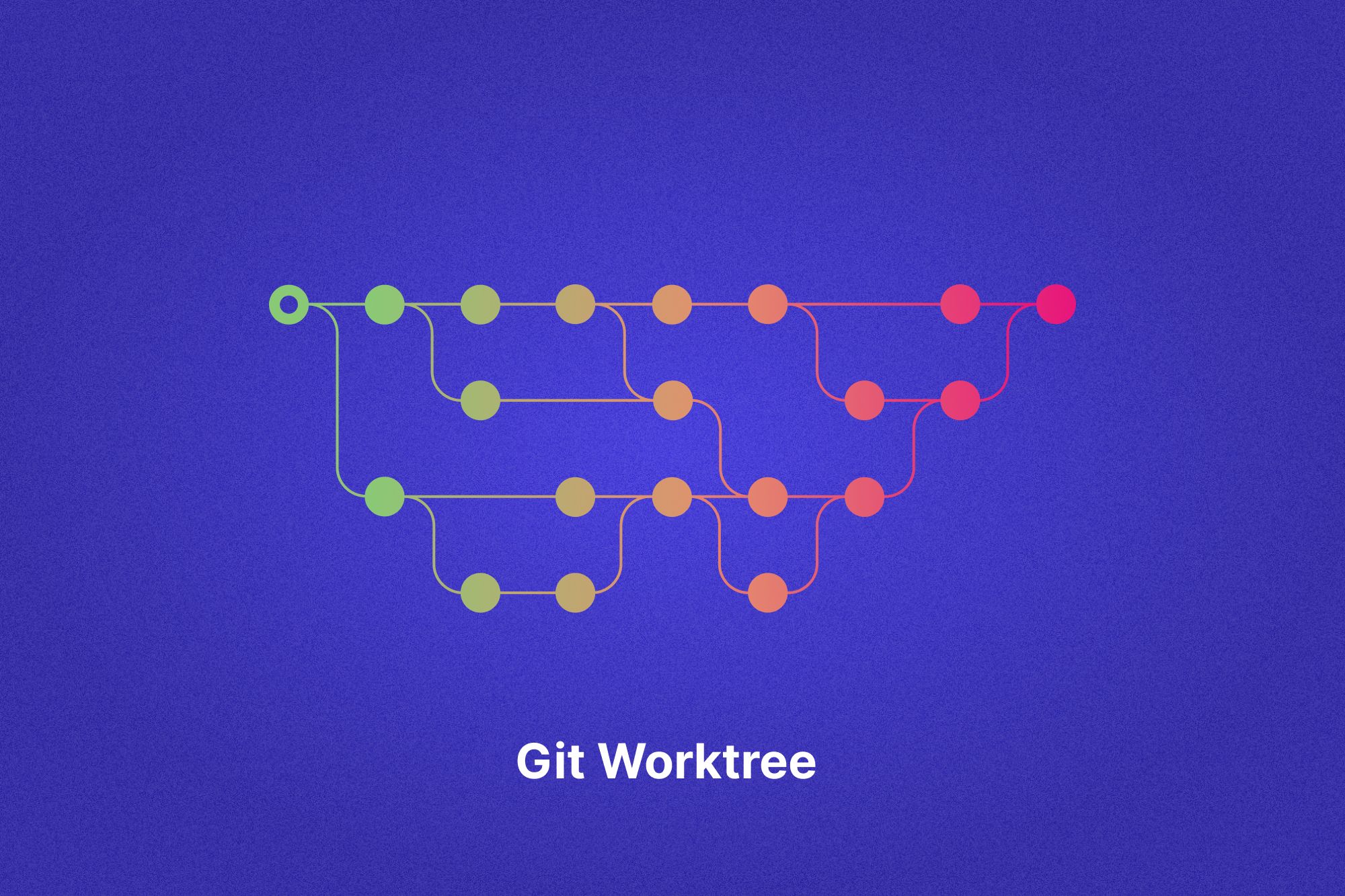
The most significant technical innovation launched this week by Windsurf is the integration of Git worktrees directly within AI sessions. This feature allows the editor to spawn multiple instances of the AI agent (Cascade) that operate simultaneously on different parts of the same project. While one agent refactors the backend architecture on one branch, another can implement the UI on a separate one, effectively eliminating the context bottlenecks and overwrite risks that plagued earlier AI-first IDEs.
From Instructions to Dynamic Skills
Simultaneously, Cursor 2.4 has introduced the concept of Agent Skills, transforming the AI from a passive prompt-executor into an entity with expandable competencies. Through the new Plan Mode, the agent no longer writes code impulsively. Instead, it analyzes the system architecture, proposes a high-level strategy, and delegates sub-tasks to specialized models via the Agent Harness. This hierarchical approach ensures a level of architectural consistency that was impossible to achieve even a week ago.
Intelligence Density with Gemini 3 Flash
To power this massive parallel workload, the integration of Gemini 3 Flash this week has been the final piece of the puzzle. The model provides the ultra-low latency required to coordinate multiple agents in real-time without slowing down the developer’s workflow. In early 2026, professional coding has moved beyond the “perfect prompt”—it is now about the skilled management of an entire fleet of autonomous agents.




Responses