You Don’t Need to Code Anymore: Your Actual Path in 2026

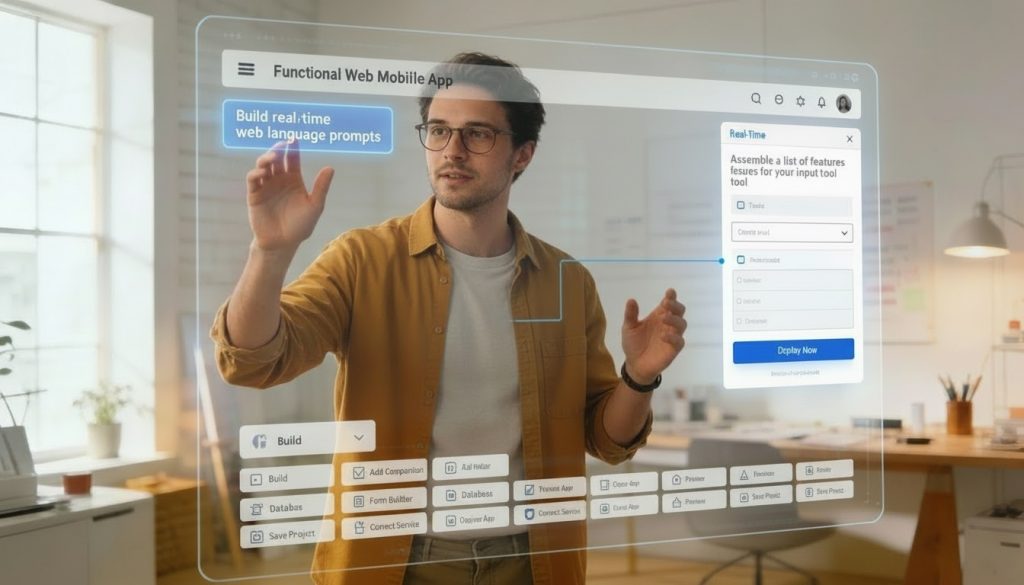
The myth persists: you need to learn Python, JavaScript, React, and whatever else to build in AI. This myth is now officially dead. By Gartner’s 2026 forecast, 80% of new applications will be built by non-technical people using no-code or low-code platforms. You’re no longer behind—you’re ahead.
The shift isn’t about “easy tools.” It’s about the tools becoming intelligent enough that your domain expertise—marketing, design, operations, whatever you actually know—is now more valuable than coding syntax.
What Actually Changed This Week
Three companies just launched updates that eliminate the last friction point: having to learn how tools work. Lovable, Bubble, and HubSpot all shipped AI “co-creator” modes that understand plain English descriptions and generate working applications, then let you edit using natural language. You no longer prototype and then learn the platform. The platform learns from your intent.
This is the inflection point. In 2025, no-code meant “drag things around and hope they work.” In 2026, it means “describe what you want, iterate on output.” Fundamentally different.
The Real Workflow (Non-Technical Edition)
Step 1: Describe Your Idea in Writing
Write down what your application does in 3-4 sentences. Not technical. Just human. “I want to help small businesses track their customer feedback and automatically flag complaints for urgent response”.
Step 2: Pick a Tool Aligned to Your Output
• If you’re building web apps: Lovable or Bubble
• If you’re building chatbots: Botpress or Voiceflow
• If you’re building mobile apps: FlutterFlow or Glide
• If you’re automating marketing: GMAQ or Zapier
Step 3: Feed Your Description to the AI
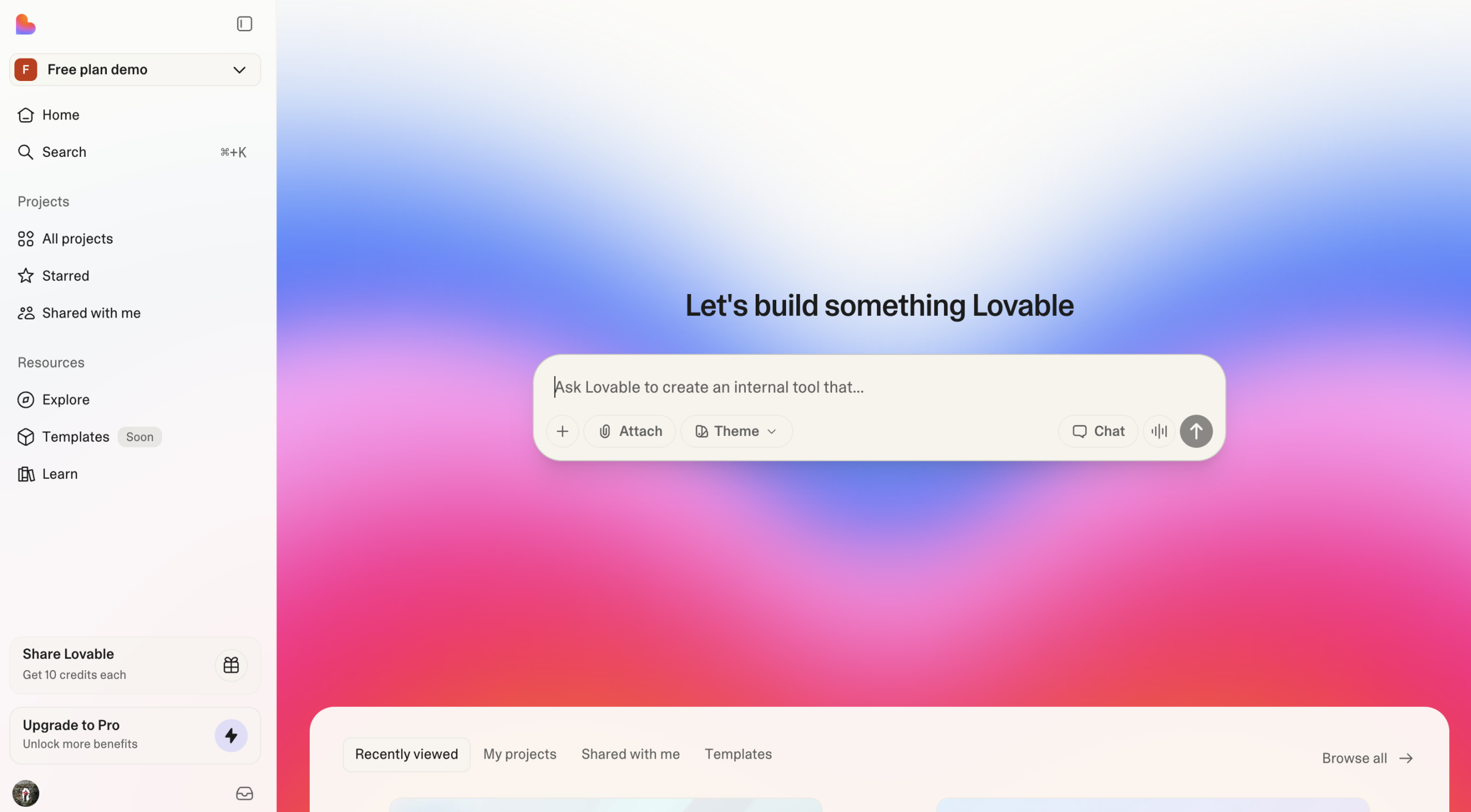
Paste your plain-English description. The AI generates a working prototype. Not perfect—working.
Step 4: Edit Using More Plain English
“Make the complaint form red instead of blue.” “Add a column that shows how many days overdue this feedback is.” “Connect it to our Slack channel.” The AI updates the app in real time.
Step 5: Deploy Immediately
Publish. No build process. No DevOps nightmare. Done.
The Cost Is Now Zero Friction, Not Zero Money
Every platform mentioned here has a free tier sufficient for testing. You’re not betting capital to validate if something’s viable. You’re betting 2 hours to prove a concept.
Bubble’s free tier lets you build full database-backed web apps. Botpress’s free tier supports up to 1,000 conversations. FlutterFlow’s free tier covers app prototyping. The upgrade comes after you know something works.
The Uncomfortable Truth
If you still think you need to hire a developer to build your idea, you’re making an expensive mistake. Most ideas that startups spend $50k on to have built can now be prototyped in free tiers by a non-technical founder in a weekend.
The developer shortage narrative of 2024 is replaced by a competence shortage in 2026. Most people can’t think in systems. They can’t describe workflows clearly. They can’t iterate on UI/UX based on feedback. That’s where the bottleneck moved.
The Meta-Skill: Direction, Not Execution
The competitive advantage in 2026 isn’t knowing how to code. It’s knowing what to build, why it matters, and how to iterate on feedback. Three non-technical founders using no-code platforms will ship faster than one developer hand-coding a solution.
Gartner’s prediction that 80% of new apps will be built by non-technical people isn’t optimistic. It’s inevitable. The tools have caught up to the reality that most code written is boilerplate, and boilerplate doesn’t need humans.
Your lack of technical background isn’t a liability in 2026. It’s your unfair advantage.






Responses