
April 27, 2026 – AI Daily Recap

From OpenAI’s newest flagship model to a Chinese rival nipping at its heels, from a multibillion-dollar chip deal reshaping AI infrastructure to a robot that can outplay professional athletes — the past week in AI has been relentless. Here’s everything that matters.
OpenAI Launches GPT-5.5, Its “Smartest Model Yet”
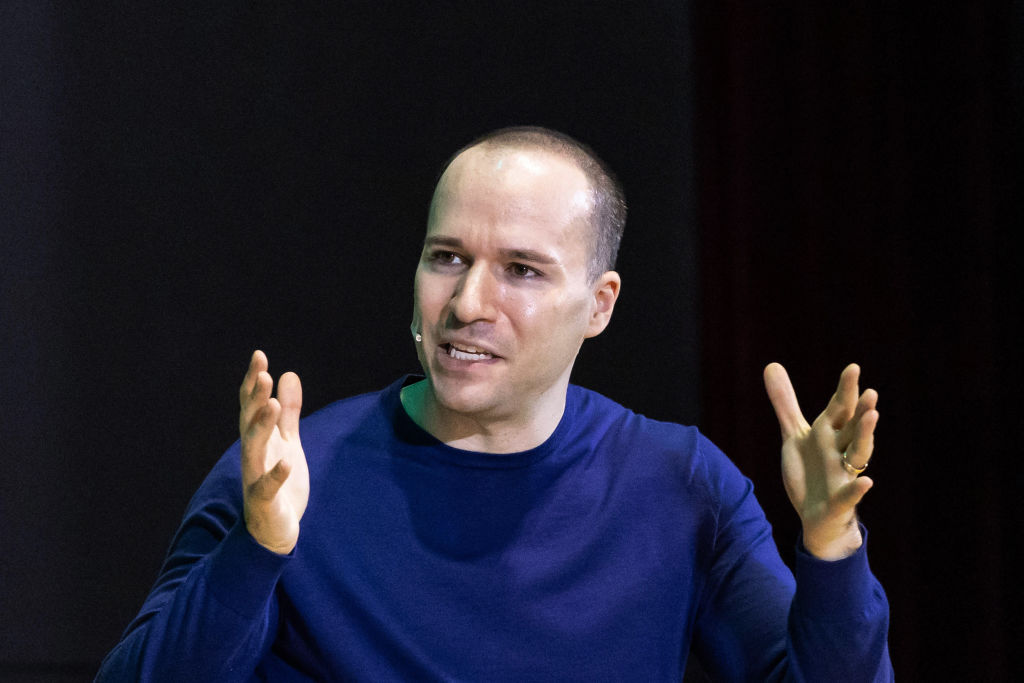
OpenAI released GPT-5.5 on April 23, positioning it as a major step toward a unified AI “super app.” The model, which OpenAI calls its “smartest and most intuitive” yet, is rolling out to Plus, Pro, Business, and Enterprise users in ChatGPT and Codex, with API access following on April 24. GPT-5.5 excels at writing and debugging code, researching online, analyzing data, and moving across tools until a task is finished — just weeks after GPT-5.4 launched, underscoring the accelerating pace of the AI race.
DeepSeek Previews V4, Challenging Frontier Models
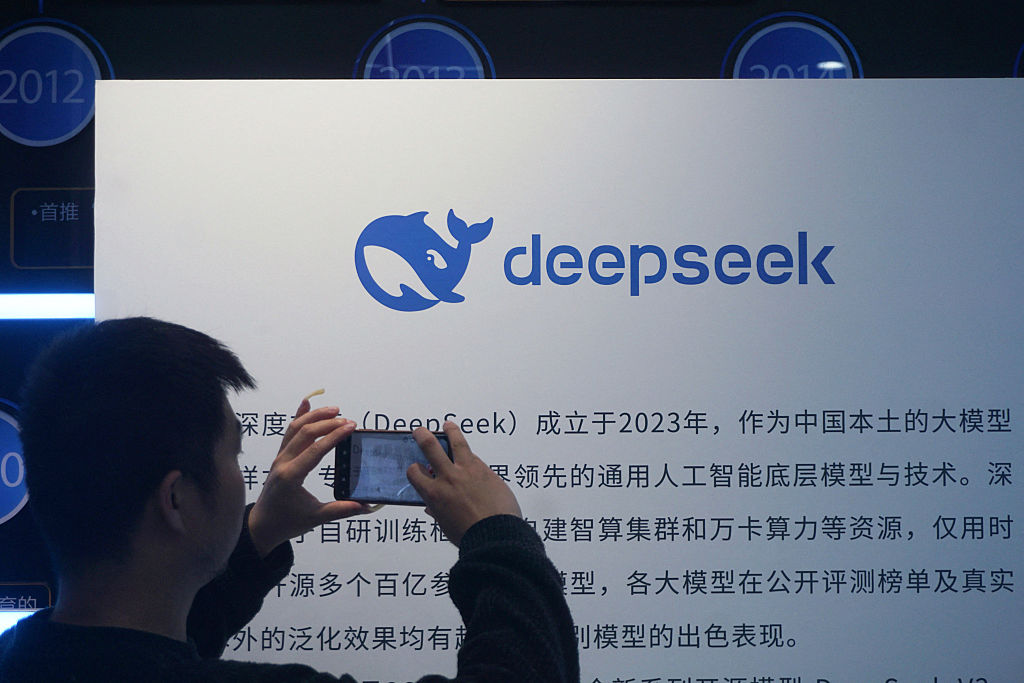
Just a day after GPT-5.5’s debut, Chinese AI startup DeepSeek dropped preview versions of its V4 model, calling it the most powerful open-source platform available. The release includes two Mixture-of-Experts variants: V4-Pro with 1.6 trillion parameters and V4-Flash with 284 billion, both supporting a one-million-token context window. DeepSeek partnered with Huawei’s “Ascend 950” chips for compute, signaling a deliberate shift toward domestic Chinese semiconductor infrastructure. With V4 Flash priced at just $0.14 per million input tokens, MIT Technology Review notes three reasons why this model matters for the broader competitive landscape.
Meta Signs Multibillion-Dollar Deal for Amazon’s Graviton Chips

In a deal that underscores the insatiable demand for AI compute, Meta signed a multibillion-dollar, multi-year agreement with AWS to deploy tens of millions of ARM-based Graviton5 CPU cores across its data centers. The 3-nanometer chips will power Meta’s agentic AI workloads — real-time reasoning, code generation, search, and multi-step task orchestration — reflecting a shift in how AI infrastructure gets built. While GPUs remain essential for training, the rise of agentic AI is creating massive demand for CPU-intensive workloads. Amazon shares rose 3.5% on the news.
Sony’s Robot Beats Pro Table Tennis Players, Lands Nature Cover
Sony AI’s Project Ace became the first autonomous robot to outperform professional-level human table tennis players, earning a cover story in Nature. The system uses nine cameras, three event-based vision sensors, and an eight-axis robotic arm driven by reinforcement learning, capturing ball position in 3D two hundred times per second. In March 2026 matches, Ace defeated all three professional opponents at least once. This marks a longstanding milestone for robotics research: applying AI to physical-world tasks where perception, planning, and control unfold in milliseconds.
Snap Cuts 1,000 Jobs as AI Replaces Human Output

Snap laid off roughly 1,000 employees — 16% of its workforce — in a restructuring that CEO Evan Spiegel tied directly to artificial intelligence. AI now generates more than 65% of Snap’s new code, allowing smaller teams and AI agents to handle work that previously required larger headcounts. The cuts are expected to save over $500 million annually by the second half of 2026, establishing what Spiegel called a “clearer path to net-income profitability.” Snap’s stock jumped 8% the same day.
Novo Nordisk Partners with OpenAI to Accelerate Drug Discovery
Danish pharmaceutical giant Novo Nordisk announced a strategic partnership with OpenAI to integrate AI “globally from drug discovery to commercial operations.” The collaboration will enable Novo to analyze complex datasets, identify promising new drugs faster, and streamline manufacturing and supply chains. Pilot programs are launching across R&D, manufacturing, and commercial operations, with full integration planned by the end of 2026. The partnership includes strict data governance and human oversight guardrails — a structure increasingly common as pharma embraces AI at enterprise scale.
The Big Picture
This week crystallized a theme that’s been building all year: the AI industry is splitting into two simultaneous races. The first is the model race — OpenAI and DeepSeek released flagship systems within 24 hours of each other, each pushing the envelope on reasoning, context length, and agentic capability. The second is the infrastructure race, where companies like Meta are locking in billions of dollars in chip commitments just to keep agentic workloads running. Meanwhile, the real-world consequences keep compounding: Snap’s layoffs are among the most explicit admissions yet that AI is directly replacing human labor, while Novo Nordisk’s deal shows pharma moving from AI experimentation to full-stack deployment. And on the research frontier, Sony’s table tennis robot proves that physical-world AI — the hardest remaining challenge — is progressing faster than anyone expected.
Sources
- Introducing GPT-5.5 — OpenAI
- OpenAI releases GPT-5.5 — TechCrunch
- OpenAI launches GPT-5.5 just weeks after GPT-5.4 — Fortune
- DeepSeek releases preview of V4 model — CNBC
- DeepSeek previews new AI model — TechCrunch
- Three reasons why DeepSeek’s new model matters — MIT Technology Review
- Meta will adopt hundreds of thousands of AWS Graviton chips — CNBC
- Meta Partners With AWS on Graviton Chips — Meta
- Meta signs deal for millions of Amazon AI CPUs — TechCrunch
- Sony AI Announces Breakthrough Research in Robotics — Sony AI
- Outplaying elite table tennis players with an autonomous robot — Nature
- Sony’s Project Ace robot plays ping pong better than the pros — TechRadar
- Snap is cutting 1,000 jobs — TechCrunch
- Snap Axing 1,000 Staffers — Variety
- Snap’s stock jumps on plans to axe 16% of workforce — CNBC
- Novo Nordisk partners with OpenAI — CNBC
- Novo taps OpenAI to deploy AI across R&D — Fierce Pharma





Responses